







C13-15 Alkane
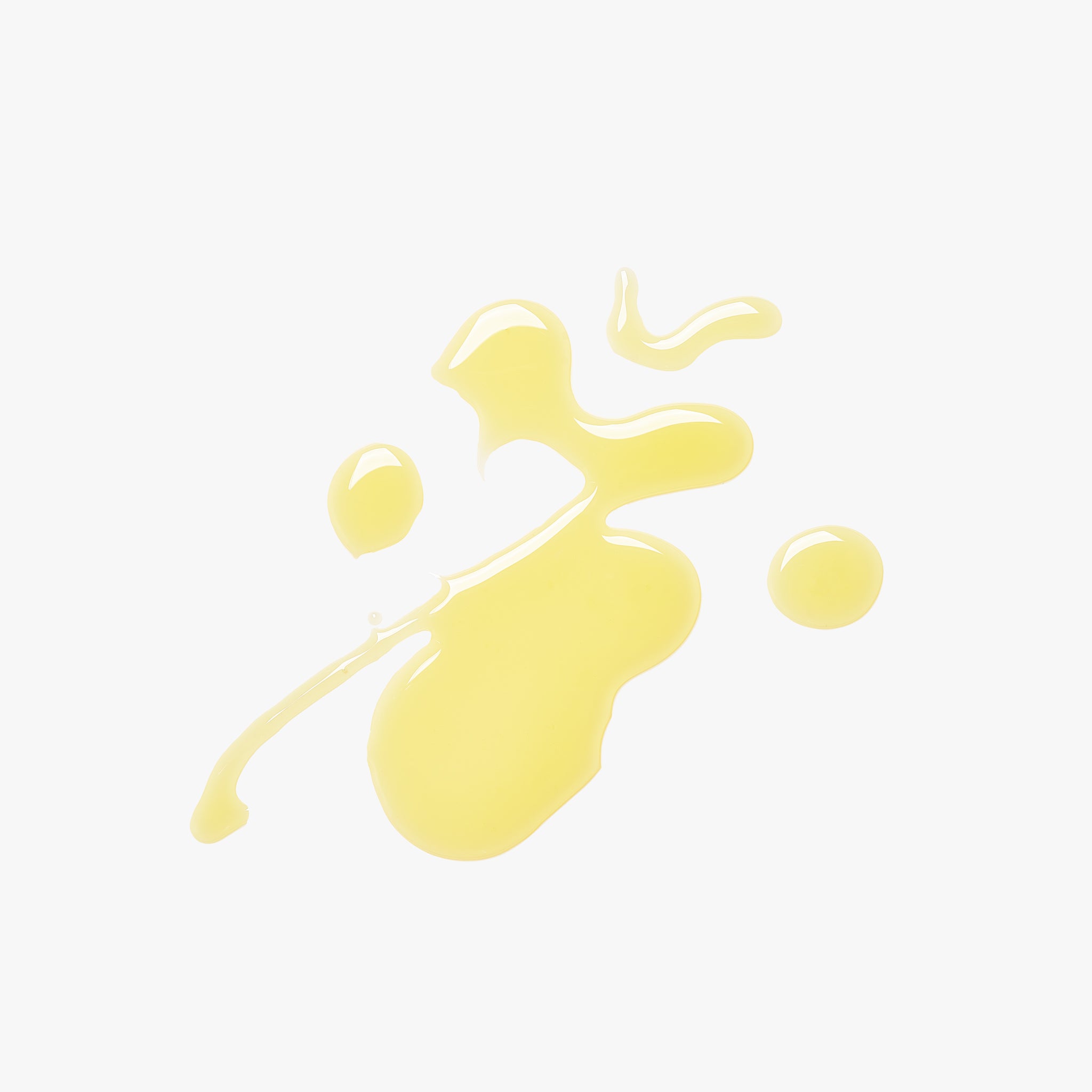
C13-15 Alkane is a cutting-edge, lightweight emollient and solvent used in high-performance skincare. Known for its incredible spreadability and silky finish, it serves as a sustainable, bio-based alternative to volatile silicones. This ingredient helps formulations feel non-greasy while ensuring active ingredients are evenly distributed across the skin surface.
Natural Science
From a chemical perspective, C13-15 Alkane consists of a mixture of saturated hydrocarbons with carbon chain lengths ranging from 13 to 15. While the term "alkane" implies a synthetic origin, the version used in premium skincare is often derived via bio-fermentation. This process typically utilizes renewable plant sugars, such as those from sugarcane.
The resulting liquid is non-polar and fully saturated, meaning it is highly stable and resistant to oxidation. This stability allows it to mimic the sensory profile of synthetic ingredients like cyclomethicone. Unlike heavy oils, it evaporates slightly or absorbs rapidly, leaving a "dry" touch that does not clog pores.
Benefits of C13-15 Alkane in Skincare
The primary advantage of C13-15 Alkane is its ability to improve the texture of skincare products without compromising the skin's natural barrier. It acts as a superb carrier for potent actives, enhancing their delivery while providing a soft, conditioned feel.
- Sustainable Silicone Alternative: It offers the slip and glide of silicones but is biodegradable and often derived from renewable botanical sources.
- Lightweight Hydration: It functions as an emollient that locks in moisture without the heavy, greasy residue associated with traditional plant oils.
- Enhanced Dispersion: It acts as an effective solvent, helping to disperse pigments and active ingredients evenly for consistent application.
- Non-Comedogenic Profile: Due to its low molecular weight and texture, it is unlikely to clog pores, making it suitable for acne-prone skin.
Research
Current dermatological research into cosmetic solvents emphasizes the importance of biocompatibility and safety. While specific studies on fragrance materials like methyl dihydrojasmonate focus on sensitization, the safety profile of C13-15 Alkane is similarly rigorous. Evaluations in toxicological literature suggest that purified alkanes of this chain length are well-tolerated by the skin. They are non-irritating and lack the genotoxic potential found in some volatile organic compounds, making them a safe, modern staple in cosmetic chemistry.
How Its Used in Nuebiome Products
We utilize the superior sensory properties of C13-15 Alkane to ensure our potent formulas glide effortlessly over your skin. You can find this advanced ingredient in the Empris-Peony™ Biotic Resurfacing Night Serum.
Frequently Asked Questions about C13-15 Alkane
Is C13 15 alkane safe for skin?
Yes, C13-15 Alkane is considered safe for use in cosmetics. It is generally non-irritating, non-sensitizing, and non-comedogenic, making it suitable for most skin types, including sensitive skin.
Where does C13-15 alkane come from?
While it can be produced synthetically, high-end skincare brands typically use a bio-based version derived from the fermentation of sustainable sugarcane or other plant sugars, often referred to commercially as Hemisqualane.
Is C15-19 alkane good for skin?
Yes, C15-19 Alkane is also good for the skin. It is a slightly heavier emollient than the C13-15 variety, providing more substantial hydration and a longer-lasting cushion on the skin, though it shares similar safety and stability benefits.
C13-15 Alkane References
Fragrance material review on methyl dihydrojasmonate.. Food Chem Toxicol, Oct 2012
Differential Effects of Biomimetic Thymine Dimers and Corresponding Photo-Adducts in Primary Human Keratinocytes and Fibroblasts.. Biomolecules, Nov 2024
Fragrance material review on dihydroisojasmone.. Food Chem Toxicol, Oct 2012