







Caprylyl Glycol
Caprylyl glycol is a multi-functional ingredient prized in modern skincare for its ability to hydrate the skin and improve product texture. It acts as a humectant, emollient, and preservative booster, making it a versatile and effective component in everything from cleansers to advanced facial treatments.
Natural Science
Derived from caprylic acid, a fatty acid found naturally in coconut and palm oils, caprylyl glycol is a type of alcohol known as a 1,2-glycol. Its unique molecular structure allows it to perform several key jobs within a single formula, making it a highly efficient and popular choice in cosmetic chemistry.
This ingredient is synthesized for purity and stability in a lab setting. This process ensures it is consistently effective and safe for cosmetic use, helping to create products that feel elegant on the skin while maintaining their integrity and freshness over time without the use of traditional, harsher preservatives.
Benefits of Caprylyl Glycol in Skincare
When people ask what is caprylyl glycol in skin care, they are often surprised by its wide range of benefits. It is a true multi-tasker that improves both the skin and the product itself. Beyond its primary functions, it enhances the overall sensory experience of a formula, contributing to a smooth, non-greasy feel. The caprylyl glycol benefits for skin are both immediate and long-term.
- Humectant & Emollient: As a humectant, it draws moisture from the air into the skin, providing a boost of hydration. It also acts as an emollient, softening and smoothing the skin's surface for a supple, conditioned feel.
- Preservative Booster: Caprylyl glycol has antimicrobial properties, which allows it to boost the efficacy of traditional preservatives. This means formulators can use lower concentrations of other preservatives, which is ideal for sensitive skin.
- Enhanced Product Efficacy: It acts as a penetration enhancer, helping other active ingredients in a formula absorb more effectively into the skin. This ensures you get the maximum benefit from every single ingredient in your routine.
How Its Used in Nuebiome Products
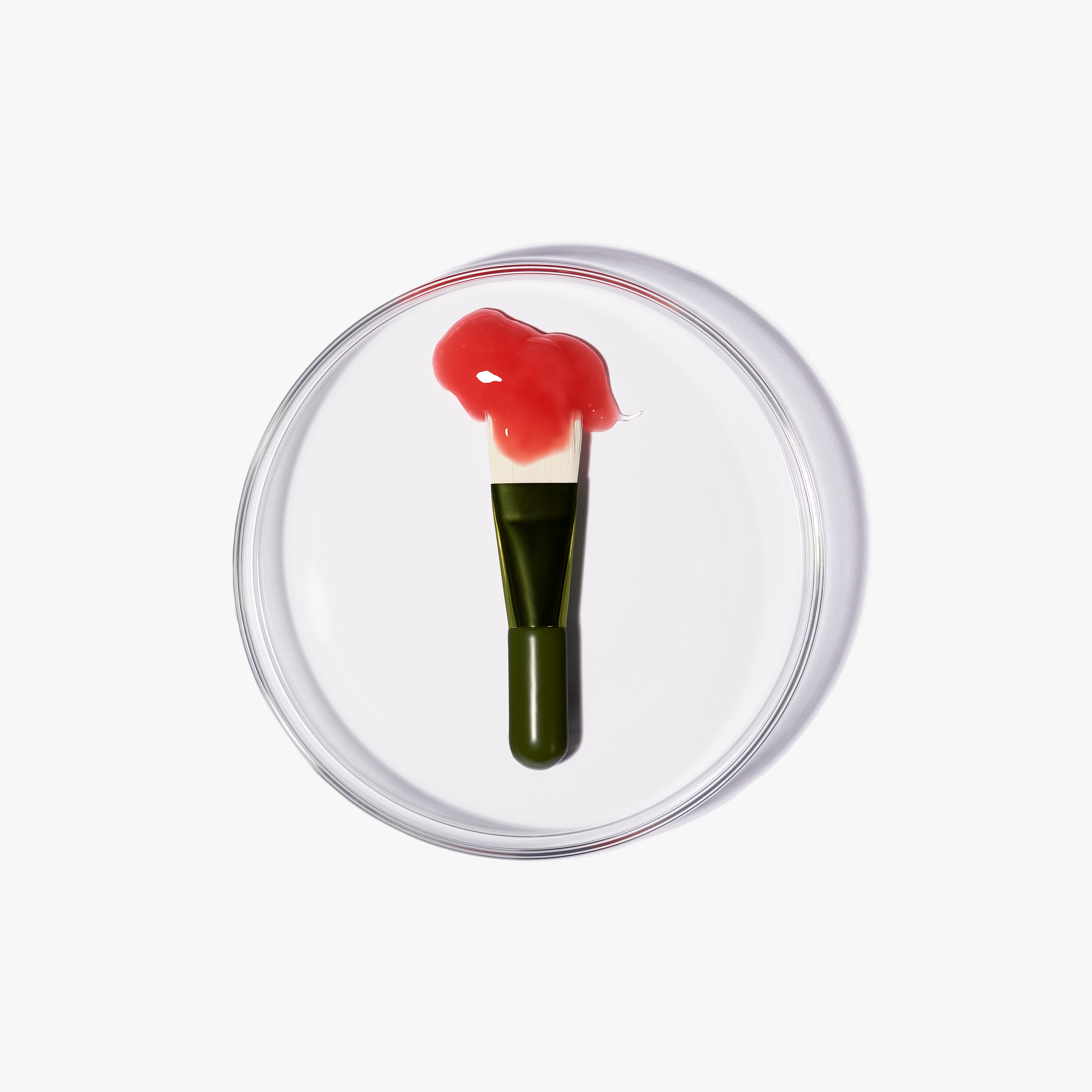
At Nuebiome, we harness the power of caprylyl glycol to enhance the texture and performance of our sophisticated formulations. Its hydrating and conditioning properties make it a perfect fit for products like our Biome Balancing Creamy Cleanser, Amaretto and Biotic Hand Remedy and our (Glyco-Biotic)™ Ultra-Synbiotic Face Mask.
Research
Scientific reviews, such as a comprehensive safety assessment of 1,2-glycols published in the International Journal of Toxicology, have concluded that caprylyl glycol is safe for use in cosmetic products. Further studies highlight its functional benefits, demonstrating its role as an effective penetration enhancer that helps deliver other active compounds, like hesperetin, more effectively into the skin. This dual-action capability makes it a valuable asset in advanced dermatological formulations.
Frequently Asked Questions about Caprylyl Glycol
Is caprylyl glycol safe for skin?
Yes, caprylyl glycol is considered very safe for skin. The Cosmetic Ingredient Review (CIR) Expert Panel has assessed it as safe, and it has a very low potential for irritation. Concerns about caprylyl glycol side effects are minimal, as it is generally well-tolerated even by sensitive skin types.
Is caprylyl glycol coconut oil?
No, it is not coconut oil. Caprylyl glycol is an alcohol that is often derived from caprylic acid, a fatty acid that can be sourced from coconut or palm oil. It is a purified, distinct ingredient with different properties than the raw oil.
Is caprylyl glycol a silicone?
No, caprylyl glycol is not a silicone. They belong to completely different chemical families. Caprylyl glycol is a type of alcohol (a glycol), while silicones are polymers made up of siloxane. They can provide a similar smooth feel in products, but their chemical nature is distinct.
Caprylyl Glycol References
Safety assessment of 1,2-glycols as used in cosmetics.. Int J Toxicol, Sep 2012
MALDI-TOF imaging analysis of benzalkonium chloride penetration in ex vivo human skin.. PLoS One, 2024
Nanosuspensions of hesperetin: preparation and characterization.. Pharmazie, Mar 2014