







Cetyl Alcohol
Often misunderstood due to the word "alcohol," Cetyl Alcohol is not the harsh, drying type you might be thinking of. Instead, it is a gentle, wax-like fatty alcohol derived from vegetable sources. In skincare, it serves as a multi-functional powerhouse, acting as an emollient to soften skin, a thickener to create luxurious textures, and an emulsifier to hold formulations together.
Natural Science
Cetyl Alcohol belongs to a family of ingredients known as fatty alcohols. Unlike simple alcohols such as ethanol or isopropyl alcohol, which can strip the skin's natural oils, fatty alcohols have a completely different molecular structure. Their long-chain composition gives them an oily, wax-like consistency that is beneficial for the skin.
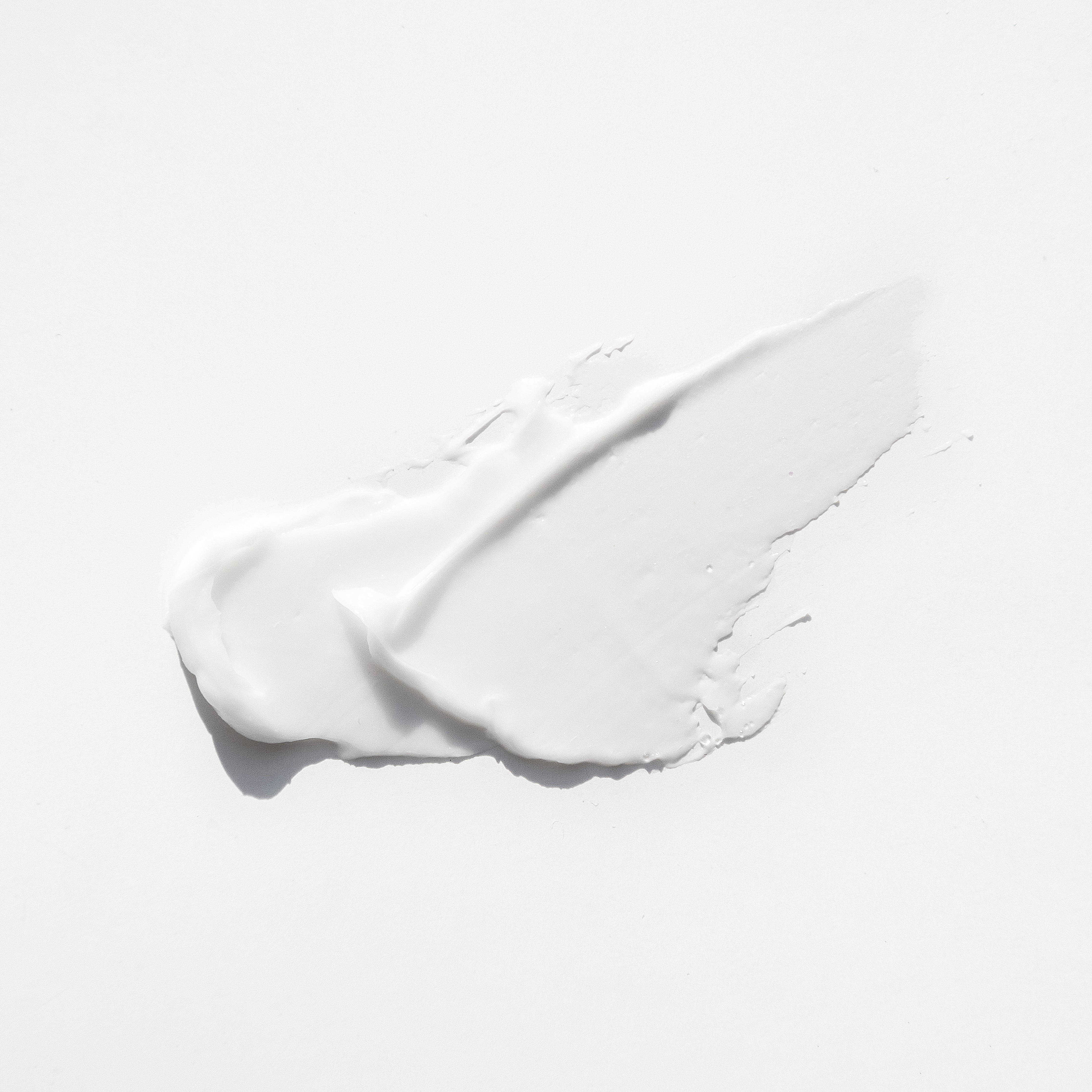
Originally discovered in whale oil, modern Cetyl Alcohol is sustainably and ethically produced from vegetable oils like coconut or palm oil. It is a solid, white, waxy substance that is incorporated into the oil phase of cosmetic formulations to provide stability and a wonderfully smooth, non-greasy feel upon application.
Benefits of Cetyl Alcohol in Skincare
Cetyl Alcohol is a quiet hero in many cosmetic formulas, prized for its ability to improve both the product's texture and the skin's condition. It is exceptionally well-tolerated by most skin types and provides several key benefits that contribute to healthy, hydrated skin and elegant product performance.
- Effective Emollient: As an emollient, Cetyl Alcohol works by forming a protective barrier on the skin's surface. This layer helps to lock in moisture, preventing water loss and leaving the skin feeling significantly softer, smoother, and more supple. This makes it an excellent ingredient for dry or dehydrated skin.
- Formula Stabilizer and Thickener: Cetyl Alcohol is a vital co-emulsifier, preventing oil and water-based ingredients from separating. It also acts as a thickener, giving creams and lotions their rich, desirable consistency and enhancing the overall sensory experience of a product without feeling heavy or greasy.
- Enhances Product Delivery: By stabilizing the formula, Cetyl Alcohol helps ensure an even distribution of key active ingredients across the skin. This allows other beneficial components in the product to perform more effectively. It is gentle and non-irritating, making it suitable even for sensitive skin.
How Its Used in Nuebiome Products
At Nuebiome, we harness the conditioning and textural benefits of Cetyl Alcohol to create sophisticated, effective formulas. Its ability to soften the skin while creating a creamy, luxurious feel makes it an indispensable part of our biome-friendly products. You can experience its elegant touch in our Biome Balancing Creamy Cleanser, where it contributes to a gentle, non-stripping cleanse, and in our deeply nourishing Biotic Relief Deep Hand Treatment and Amaretto and Biotic Hand Remedy to provide lasting moisture and a silky finish.
Research
Scientific literature confirms Cetyl Alcohol as a standard, effective ingredient in topical skincare and drug delivery systems. Its role as a surfactant and structural agent is well-documented, helping to create stable and cosmetically pleasing emulsions that can effectively deliver active ingredients to the skin. While it is overwhelmingly considered safe for topical use, dermatological studies note that, like many common cosmetic ingredients, it has a very low potential to cause allergic contact dermatitis in a small percentage of susceptible individuals. Overall, it is recognized for its functional benefits and strong safety profile in cosmetic formulation.
Frequently Asked Questions about Cetyl Alcohol
Is cetyl alcohol a hormone disruptor?
No, there is no credible scientific evidence to suggest that Cetyl Alcohol acts as a hormone disruptor when used topically in cosmetic products. It is a fatty alcohol that is processed by the body differently than substances associated with endocrine disruption. Global regulatory bodies and scientific safety panels consider it safe for its intended use in skincare.
Should you avoid cetearyl alcohol?
For the vast majority of people, there is no reason to avoid Cetearyl Alcohol. Cetearyl Alcohol is simply a blend of two beneficial fatty alcohols: Cetyl Alcohol and Stearyl Alcohol. It offers the same emollient, thickening, and stabilizing benefits. The only reason to avoid it is if you have a specific, diagnosed allergy to it, which is considered very rare.
Cetyl Alcohol References
Allergenic potential, marketing claims, and pricing of facial moisturizers.. Dermatol Online J, Jul 2020
Design and Characterization of Silicone and Surfactant Based Systems for Topical Drug Delivery.. J Nanosci Nanotechnol, Jan 2015
Adverse reactions of externally applied drugs and inert substances.. Derm Beruf Umwelt, Jul 1988