







Glycolic Acid
Glycolic Acid is a powerhouse alpha-hydroxy acid (AHA) revered in the skincare world for its remarkable exfoliating and rejuvenating properties. As the gold standard of AHAs, it works on the skin's surface to dissolve the bonds holding dead cells together, revealing a brighter, smoother, and more radiant complexion underneath. This potent ingredient is a key to unlocking a truly luminous glow.
Natural Science
Derived naturally from sugarcane, Glycolic Acid has the smallest molecular size of all AHAs. This unique characteristic allows it to penetrate the skin more effectively than other acids, such as lactic acid. Its simple structure enables it to work efficiently within the stratum corneum, the outermost layer of the epidermis.
By weakening the cellular adhesion molecules, Glycolic Acid effectively "un-glues" dead, dull skin cells. This accelerates cellular turnover, a process that naturally slows with age. The result is a refined skin texture, diminished imperfections, and a more even skin tone, making it a cornerstone of effective chemical exfoliation.
Benefits of Glycolic Acid in Skincare
So, what does glycolic acid do for your face? Its primary function is exfoliation, but the cascading effects offer a wide array of improvements. The consistent use of this AHA helps to address concerns from texture and tone to signs of aging. The overall glycolic acid benefits for skin are comprehensive, leading to a healthier and more youthful appearance.
- Promotes Radiant Exfoliation: Glycolic Acid sloughs away the outermost layer of dead skin cells. This process instantly brightens the complexion, softens rough patches, and reveals the fresh, new skin beneath for an unparalleled glow.
- Fades Discoloration: It is exceptionally effective as a treatment with glycolic acid for hyperpigmentation. By speeding up cell turnover, it helps disperse melanin clusters, visibly reducing the appearance of sun spots, age spots, and post-inflammatory marks, making it a go-to for fading glycolic acid for dark spots.
- Refines Pores and Fights Blemishes: For those seeking glycolic acid for acne, its exfoliating action helps to clear out sebum, dead cells, and debris that clog pores. This minimizes the look of enlarged pores and helps prevent the formation of blackheads and breakouts.
- Stimulates Collagen Production: Beyond surface-level exfoliation, Glycolic Acid can penetrate deeper to stimulate fibroblasts in the dermis. This encourages the synthesis of new collagen, helping to firm the skin and reduce the appearance of fine lines and wrinkles over time.
How Its Used in Nuebiome Products
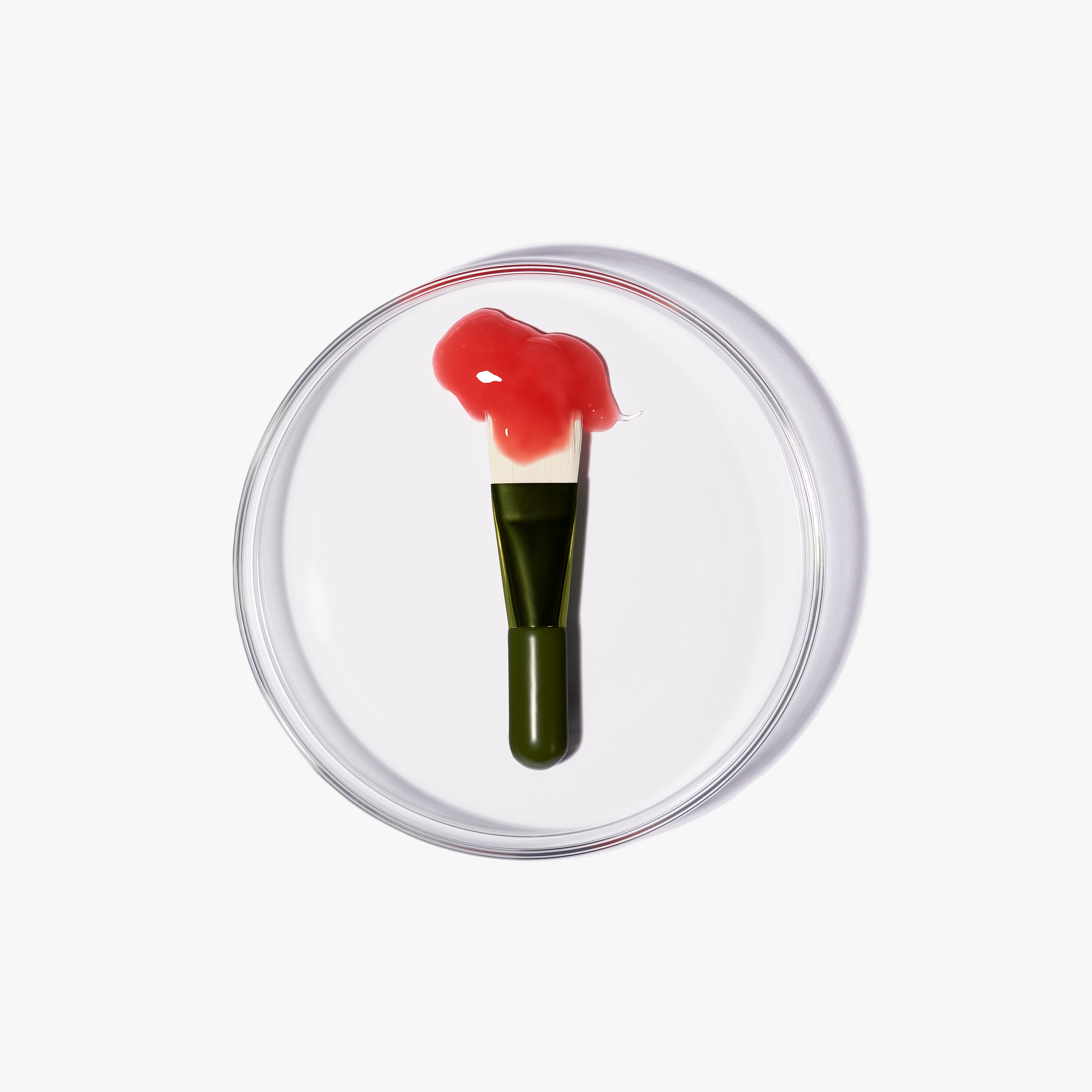
At Nuebiome, we harness the transformative power of Glycolic Acid by formulating it with our signature biotic ferments to support a healthy skin microbiome. This intelligent combination allows for effective exfoliation while maintaining skin balance. Experience its benefits in our (Glyco-Biotic)™ Ultra-Synbiotic Face Mask and The Biotic Glow™ Ferment Essence.
Research
Recent dermatological studies highlight Glycolic Acid's significant role as a first-line treatment in clinical settings. Research confirms its efficacy in managing various forms of hyperpigmentation, where it is often used in chemical peels to address conditions like melasma by accelerating skin turnover and reducing excess pigment. Furthermore, reviews on treatments for striae distensae (stretch marks) recognize Glycolic Acid peels as a valuable method for improving skin texture and appearance by stimulating collagen and remodeling the dermal layer, underscoring its versatility in cosmetic dermatology.
Glycolic Acid References
Management of hyperpigmentation: Current treatments and emerging therapies.. Pigment Cell Melanoma Res, Nov 2021
Chemical Peels in Treatment of Melasma.. Dermatol Clin, Jan 2024
Striae Distensae Treatment Review and Update.. Indian Dermatol Online J, Jul 2019