







Hydroxyethylcellulose
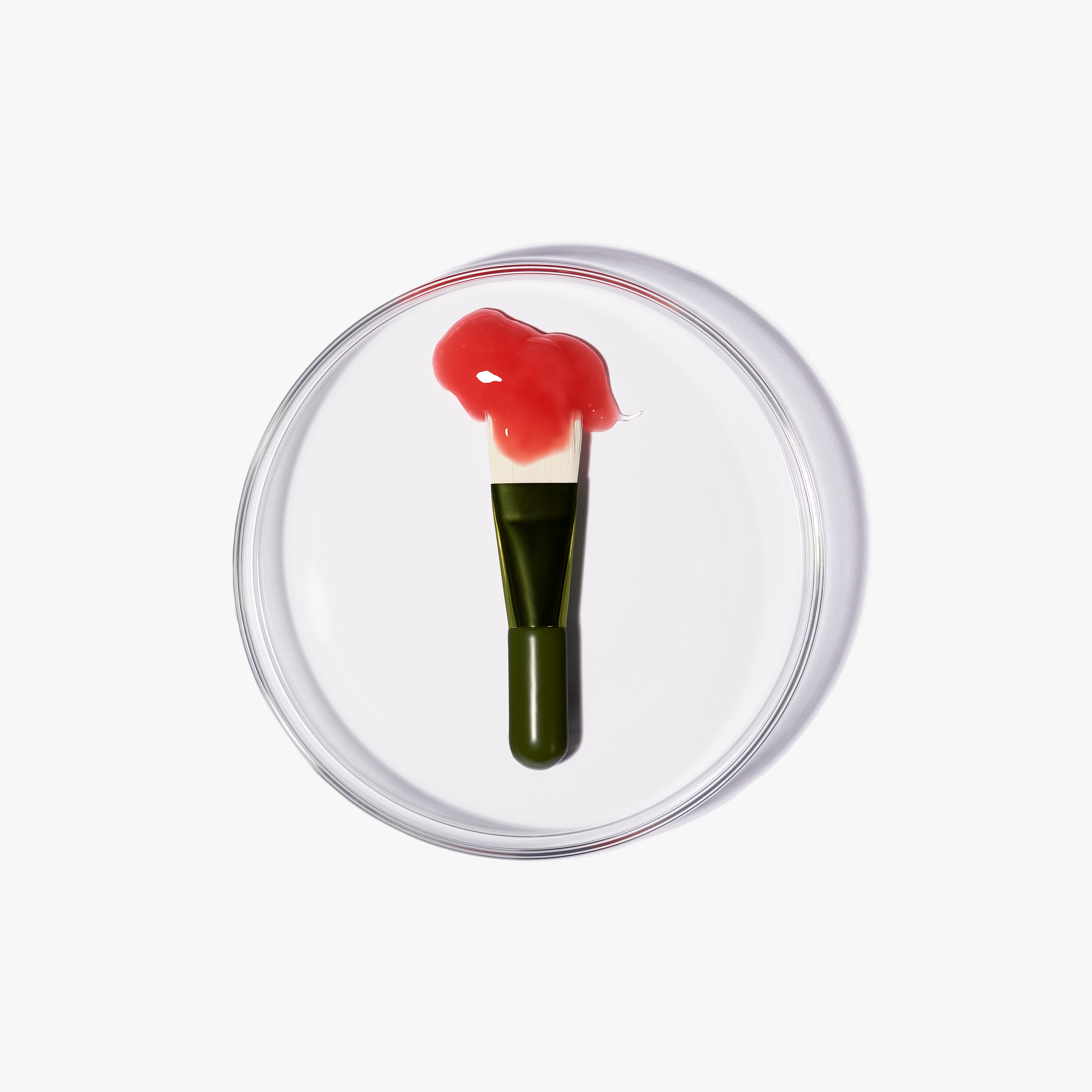
Often found in your favorite serums and creams, Hydroxyethylcellulose is a behind-the-scenes hero in cosmetic formulation. This plant-derived polymer is primarily used as a gelling and thickening agent, responsible for creating the elegant, silky textures that define high-performance skincare. It ensures your products glide on smoothly and feel luxurious upon application.
Natural Science
Hydroxyethylcellulose is a semi-synthetic ingredient with natural origins. The process begins with cellulose, the most abundant organic polymer on Earth, which forms the structural backbone of plant cell walls. This natural cellulose, typically sourced from wood pulp or cotton, is then ethically modified in a laboratory setting through a process called etherification.
This modification makes the cellulose soluble in water, transforming it into a highly effective gelling agent. So, when you ask what is hydroxyethylcellulose made from, the answer is that it starts with nature and is perfected by science to create stable, effective, and aesthetically pleasing skincare formulations that you love to use.
Benefits of Hydroxyethylcellulose in Skincare
While not an "active" ingredient in the traditional sense, the role of Hydroxyethylcellulose is critical for product performance and user experience. It elevates a formula from a simple mixture to a sophisticated and effective treatment, delivering multiple hydroxyethylcellulose benefits for skin by enhancing the overall product structure and feel.
- Elegant Texture Creation: Its primary function is to control the viscosity of water-based formulas. It creates smooth, non-tacky, and spreadable gels, which is why your serums feel so light yet substantial. This ensures an even application of active ingredients across the skin.
- Enhanced Formula Stability: In complex formulations like those at Nuebiome, this ingredient acts as a stabilizer. It prevents oils and water-soluble ingredients from separating, ensuring that the product remains consistent and effective from the first pump to the last.
- Gentle Film-Forming: It forms a soft, breathable, and non-occlusive film on the skin's surface. This subtle barrier can help to reduce transepidermal water loss (TEWL) and lock in the benefits of other hydrating and active ingredients within the formula.
How Its Used in Nuebiome Products
At Nuebiome, we harness the power of advanced formulation science to create products that are both effective and a delight to use. We incorporate Hydroxyethylcellulose to perfect the texture and ensure the stability of our sophisticated biotic formulas. It helps deliver our active complexes seamlessly into the skin. You can experience its elegant effect in these products:
Empris-Peony™ Biotic Resurfacing Night Serum and (Glyco-Biotic)™ Ultra-Synbiotic Face Mask.
Research
Recent scientific studies highlight the value of hydroxyethylcellulose in advanced dermatological applications. Research demonstrates its ability to form stable, viscoelastic hydrogels that are ideal for creating sophisticated delivery systems in skincare, such as those involving liposomes. Furthermore, its use in biomimetic hydrogel dressings for wound healing underscores its excellent biocompatibility and capacity to support the skin's natural regenerative processes, confirming its role as a safe and effective vehicle for topical treatments.
Frequently Asked Questions about Hydroxyethylcellulose
Is hydroxyethylcellulose good for skin?
Yes, it is beneficial for the skin, primarily in an indirect way. It is not a treatment ingredient, but its ability to create elegant textures, stabilize formulas, and form a light, moisture-retentive film helps other active ingredients perform more effectively. It ensures you get a consistent and potent dose of actives with every use.
Is hydroxyethylcellulose safe to use?
Yes, is hydroxyethylcellulose safe for skin is a common question, and the answer is a resounding yes. It has a long history of safe use in cosmetics, food, and pharmaceuticals. It is non-irritating and non-sensitizing for most people. Any reported hydroxyethylcellulose side effects are exceptionally rare and would likely be part of a specific, individual allergic reaction.
Is hydroxyethylcellulose a natural ingredient?
It is considered a naturally-derived, or semi-synthetic, ingredient. It originates from natural cellulose found in plants but undergoes a chemical modification process to make it functional for cosmetic formulations. This blend of nature and science allows it to perform its unique thickening and stabilizing roles.
What is another name for hydroxyethylcellulose?
In ingredient lists, you will most often see it listed as Hydroxyethylcellulose. It is also commonly abbreviated as HEC, especially in scientific literature and among formulators. While related to other cellulose derivatives, its specific name is key to its function.
Hydroxyethylcellulose References
Viscoelasticity of Liposomal Dispersions.. Nanomaterials (Basel), Aug 2023
Mechanical biomimetic silk nano fiber-magnesium ion complex/hydroxyethylcellulose/glycerol hydrogel dressing with angiogenic capacity for accelerating scarless diabetic wound healing.. J Colloid Interface Sci, Aug 2024
Liposomes containing sorbitan monolaurate incorporated in hydroxyethylcellulose hydrogels for topical delivery of 5-fluorouracil: rheological characterization, skin penetration and cytotoxicity study.. J Pharm Sci, Aug 2025