







Tartaric Acid
Derived from sources like grapes and tamarinds, Tartaric Acid is a gentle yet effective alpha-hydroxy acid (AHA). In skincare, it is prized for its ability to exfoliate the skin's surface, improve texture, and act as a crucial pH stabilizer, enhancing the efficacy of other ingredients in a formula.
Natural Science
Tartaric Acid is a naturally occurring crystalline organic acid found in many fruits, most notably in grapes. It is a key reason for the distinct taste of wine. Chemically, it is a dicarboxylic acid, meaning it has two carboxyl groups, which contributes to its unique properties in skincare formulations.
As an AHA, its primary mechanism involves loosening the bonds between dead skin cells on the stratum corneum, promoting gentle shedding. But beyond exfoliation, it also possesses powerful antioxidant properties, helping to protect the skin from environmental stressors like pollution and UV radiation.
Benefits of Tartaric Acid in Skincare
The primary tartaric acid benefits for skin stem from its multi-functional nature as both an exfoliant and a supporting ingredient. It helps to refine skin texture, boost hydration, and ensure the overall stability and effectiveness of the skincare product it's formulated within.
- Gentle Exfoliation: The process of tartaric acid exfoliation is milder than some other AHAs. It effectively sloughs away dead skin cells to reveal a smoother, more radiant complexion underneath, contributing to its use for tartaric acid for skin brightening.
- Moisture Retention: As a humectant, tartaric acid helps to draw moisture from the environment into the skin. This action helps to keep the skin hydrated, plump, and supple, improving its overall barrier function.
- Antioxidant Protection: It contains potent antioxidant compounds that help neutralize damaging free radicals. This helps defend the skin against premature aging caused by environmental aggressors.
- pH Balancing: One of its most vital roles is maintaining a formula's pH in the optimal range for other acids to work. In the tartaric acid vs glycolic acid debate, they are not rivals but partners; tartaric acid helps keep glycolic acid stable and effective.
How Its Used in Nuebiome Products
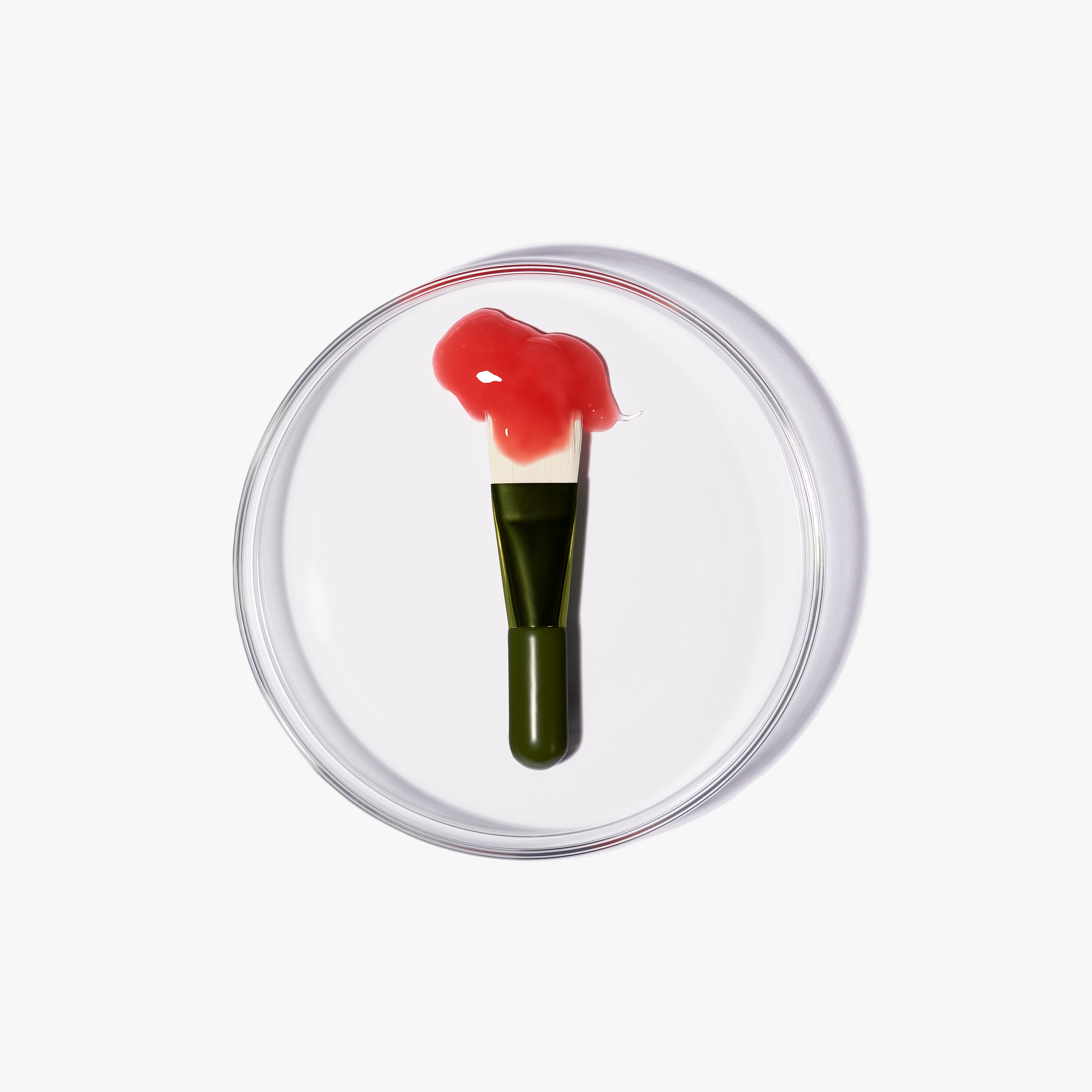
At Nuebiome, we harness the unique pH-stabilizing and exfoliating properties of Tartaric Acid to enhance our advanced formulas. It is a key component in our (Glyco-Biotic)™ Ultra-Synbiotic Face Mask, where it works synergistically with other bio-active ingredients to resurface and renew the skin.
Research
Scientific studies highlight the multifaceted role of alpha-hydroxy acids (AHAs) like tartaric acid in dermatology. Research confirms that AHAs provide a dual benefit: they exfoliate the outer layer of skin (epidermis) for immediate smoothness and, with consistent use, can influence deeper skin layers to promote firmness. More recent research from 2024 has shown that tartaric acid can be used to create novel compounds that enhance the skin penetration of other active ingredients, making formulas more effective. While some natural sources, like stinging nettles, contain tartaric acid as an irritant, cosmetic science uses purified, specific concentrations to harness its benefits safely and avoid irritation.
Frequently Asked Questions about Tartaric Acid
Is tartaric acid good for the skin?
Yes, when used in a well-formulated skincare product, tartaric acid is very good for the skin. It provides gentle exfoliation, improves skin texture and tone, offers antioxidant benefits, and helps moisturize the skin. Its ability to balance a product's pH also makes other active ingredients more effective.
What are the side effects of tartaric acid?
Like any AHA, potential side effects can include mild, temporary irritation, redness, or increased sun sensitivity, particularly for those with very sensitive skin or when first introducing the ingredient. It is always recommended to perform a patch test and to use sunscreen daily when using products containing AHAs.
Which acid makes skin thicker?
Alpha-hydroxy acids (AHAs), particularly Glycolic Acid, are the most studied for their ability to increase skin thickness over the long term. By stimulating collagen production in the dermis, these acids can help improve skin density, firmness, and elasticity, leading to a plumper and more youthful appearance.
Tartaric Acid References
Dual Effects of Alpha-Hydroxy Acids on the Skin.. Molecules, Apr 2018
Identification of oxalic acid and tartaric acid as major persistent pain-inducing toxins in the stinging hairs of the nettle, Urtica thunbergiana.. Ann Bot, Jul 2006
The Development and Characterization of Novel Ionic Liquids Based on Mono- and Dicarboxylates with Meglumine for Drug Solubilizers and Skin Permeation Enhancers.. Pharmaceutics, Feb 2024