








Painful hangnails are a common frustration. They can catch on clothes and cause discomfort throughout the day. But what if the solution was simpler than you think? Getting rid of hangnails for good starts with understanding what they really are: a sign of dry, thirsty skin.
This guide will walk you through a simple, step-by-step ritual. You will learn how to safely help care for existing hangnails and prevent new ones from forming. With consistent care, you can enjoy comfortable, beautiful-looking hands.
What Exactly Are Hangnails (And Why Do I Get Them)?
First, let's clear up a common myth. A hangnail is not part of your fingernail. It is a small, torn piece of skin that lifts away from the edge of your nail plate or cuticle. They often appear as tiny, jagged pieces of skin that can be surprisingly painful.
The number one cause of hangnails is dryness. When the skin around your nails lacks moisture, it becomes brittle and is more likely to split and tear.
Common triggers for dry cuticles and hangnails include:
- Frequent hand washing: Soaps and sanitizers can strip natural oils from your skin.
- Cold, dry weather: Low humidity in the air pulls moisture from your skin.
- Harsh chemicals: Cleaning products can be very rough on the delicate skin of your hands.
These triggers weaken your skin's natural moisture barrier. Think of this barrier as a protective shield for your skin. A healthy barrier keeps moisture in and irritants out. When it's compromised, your skin becomes dry and vulnerable. This creates the perfect condition for hangnails to form.
Your 3-Step Ritual to Support and Prevent Hangnails
The key to smooth, comfortable cuticles is not a one-time fix, but a consistent care ritual. By following these three simple steps, you can soothe current irritation and build your skin's resilience against future hangnails.
Step 1: Soften & Trim Safely
Your first instinct might be to pull or bite off a hangnail, but this can cause more damage. Tearing the skin can lead to a deeper wound and more discomfort. Instead, follow this safe method.
- Soften the area. Soak your fingertips in a bowl of warm water for about five minutes. This will make the skin soft and pliable.
- Trim carefully. Use a pair of clean, sterile cuticle scissors or nippers. Cut the raised piece of skin as close to the base as you can, without cutting the healthy skin around it. The goal is to remove the jagged edge that catches on things. Never pull.
Step 2: Soothe with a Targeted Treatment
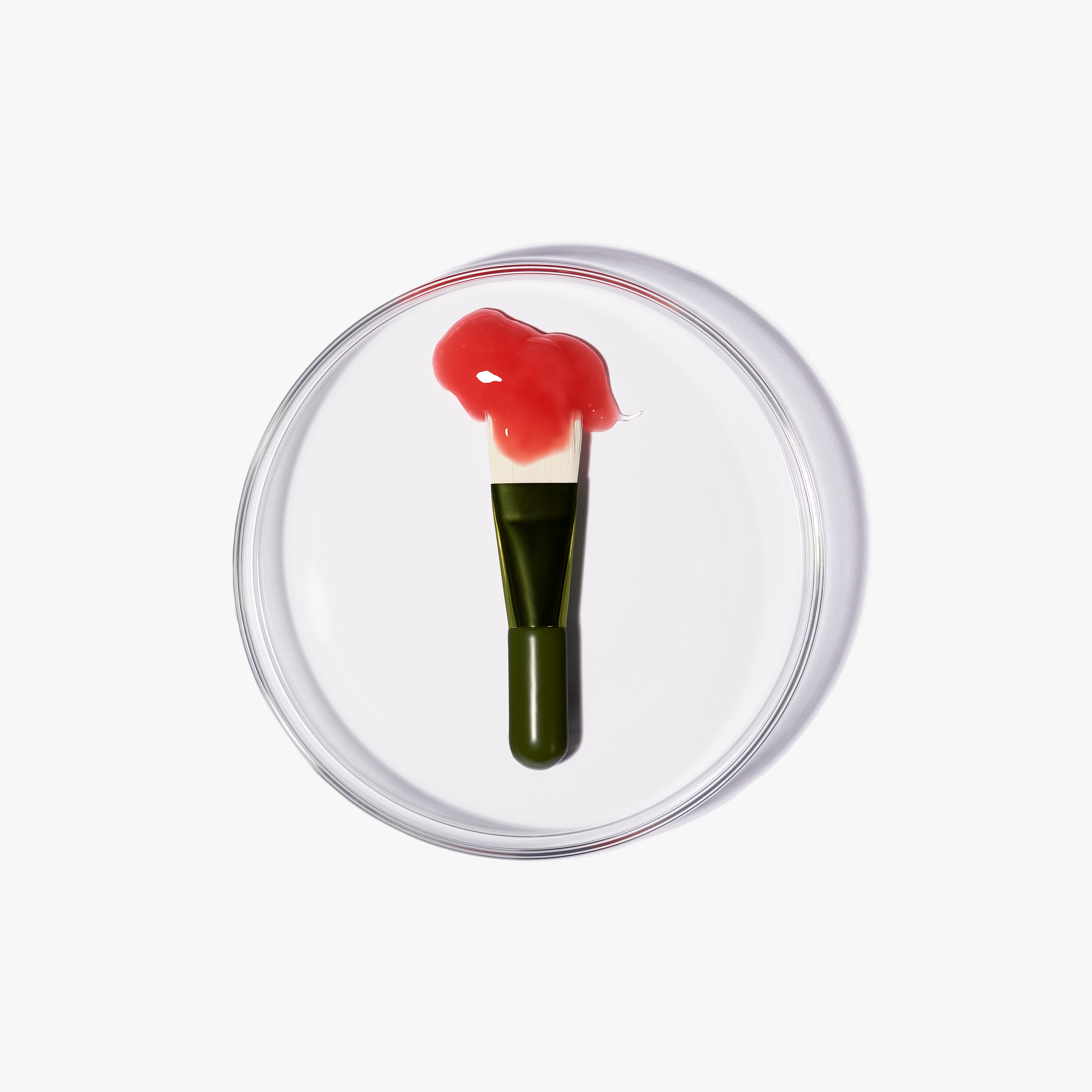
After trimming, the area can still feel a little sensitive. Applying a soothing treatment can help calm the look of irritation and provide immediate comfort. You want to create a supportive environment for your skin. Look for formulas with soothing botanicals like aloe extract to condition the irritated skin around your nails.
Step 3: Hydrate with a Biotic Hand Cream
This is the most important step for prevention. Dry skin causes hangnails, so consistent hydration is the ultimate solution. Apply a nourishing hand cream several times a day, making sure to massage it into your cuticles and the skin around your nails. This daily habit rebuilds your skin’s moisture barrier, making it stronger and less likely to tear.
Choosing the Best Hand Cream for Hangnail-Prone Skin
Not all moisturizers are created equal. For hangnail-prone skin, you need a formula with specific ingredients that provide lasting hydration and support your skin’s barrier.
Look for a hand cream that contains:
- Humectants: Ingredients like glycerin that draw water into the skin.
- Emollients: Ingredients like shea butter that soften and smooth the skin's surface.
- Occlusives: Ingredients that form a protective layer to lock moisture in.
The Premium Hand Care Bundle is a complete system for both daily maintenance and intensive care. This duo features our award-winning formulas, recognized with honors like the 2024 NewBeauty Award for Best Hand Cream, to deliver visible results. It contains two distinct treatments for a comprehensive hand care ritual.

For daily prevention, the Amaretto and Biotic Hand Remedy provides lightweight, fast-absorbing moisture. It’s perfect for use throughout the day without leaving a greasy feel. It uses Saccharide Isomerate, a plant-derived hydrator that acts like a moisture magnet, and Butyrospermum Parkii (Shea) Butter to soften and condition.
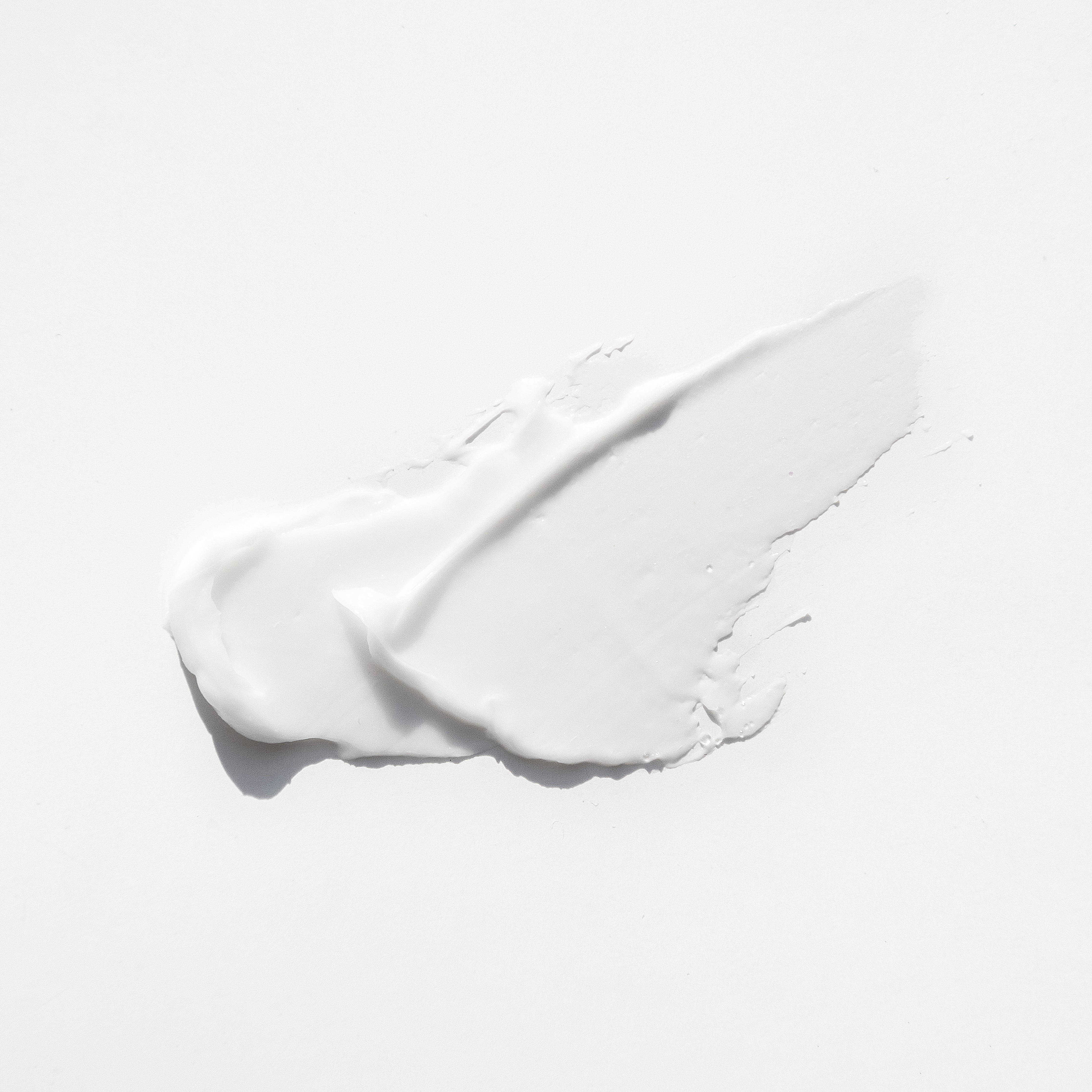
For times when your skin needs extra support, the Biotic Relief Deep Hand Treatment offers intensive comfort. Its rich, cushiony texture is ideal for an overnight treatment. It is formulated with Avena Sativa (Oat) Kernel Flour, a fine-milled oat that is known for its ability to soothe dry, uncomfortable skin, and Squalane, a lightweight, plant-derived emollient for deep moisture.
Both formulas are powered by biotic ferments, like Lactobacillus Ferment Lysate. These innovative ingredients help support a balanced skin microbiome. A healthy microbiome contributes to a stronger skin barrier, helping your hands stay hydrated and resilient against dryness. Discover our complete collection of specialized hand treatments to find your perfect match.
Hand Cream vs. Cuticle Oil: What's the Difference?
You might wonder if a cuticle oil is a better choice. While both products can help, they work in very different ways.
Hand creams are emulsions, which means they are a blend of water and oil. This is a critical difference. The water content provides direct hydration to thirsty skin cells, while the oil content nourishes the skin and seals that moisture in. Because they address the root cause of hangnails—dryness—creams are the most effective all-in-one solution. Formulas with plant-derived emulsifiers like Cetearyl Olivate support deep skin hydration and create a luxurious, silky feel.
Cuticle oils are purely oil-based. They are excellent at forming an occlusive barrier, which means they are great at locking in moisture that is already present. However, they do not contain water and cannot add hydration to dry skin on their own. If you apply oil to very dry cuticles, you are simply sealing in the dryness.
A hand cream delivers essential hydration to the skin, while a cuticle oil can be used afterward to seal that hydration in.
For treating and preventing hangnails, a high-quality hand cream is the essential product. An oil can be a nice, optional second step to layer over your cream for an extra layer of protection, especially before bed.
Your Questions on Hangnail Care, Answered
Does hand cream actually help with hangnails?
Yes, absolutely. Hangnails are caused by dry, torn skin. A good hand cream directly addresses this root cause by delivering moisture and strengthening the skin barrier. Consistent use is key to preventing the skin from becoming brittle and tearing.
How often should I apply hand cream?
For best results, apply hand cream several times a day. It is especially important to moisturize after washing your hands, as soap and water strip away natural oils. Applying a generous layer to your hands and cuticles before bed allows the product to work uninterrupted overnight.
Can I use regular body lotion on my hands?
While any lotion is better than no lotion, hand creams are a superior choice. The skin on your hands is thicker and endures more wear and tear than the skin on your body. Hand creams are specifically formulated with richer textures and potent ingredients designed to absorb effectively and protect this hard-working skin.
What's the fastest way to get rid of a painful hangnail?
The fastest way is to follow the 3-step ritual: soften the skin in warm water, carefully trim the hangnail with sterile scissors, and immediately apply a thick, soothing cream to the area. A concentrated formula like the Biotic Relief Deep Hand Treatment is ideal for this. Its blend of soothing and hydrating ingredients provides immediate comfort and supports the skin.

By turning these steps into a regular habit, you can unlock your best skin beyond basic hydration and enjoy hands that feel as good as they look. If you have more questions about our formulas, find answers on our FAQ page.