







Why Most Hydrating Serums Are a Temporary Fix for Dry Skin
It is a common experience. You apply a hydrating serum in the morning, and your skin feels soft and comfortable. But by midday, that tight, dry feeling starts to creep back in. This cycle can be frustrating, making you wonder if your products are working at all.
The issue often comes down to a simple misunderstanding between two different skin concerns: dryness and dehydration. Dehydrated skin lacks water, which can affect any skin type temporarily. Dry skin, however, is a skin type that naturally produces less oil, or sebum. This lack of oil weakens the skin’s moisture barrier, making it difficult for your skin to hold onto the water it has.
For truly dry skin, a serum that only adds water is just a temporary solution. The water can easily evaporate from a compromised barrier, leaving your skin thirsty again. The best hydrating serum for dry skin must do more than just hydrate. It needs to contain ingredients that support your skin’s natural barrier, helping it lock in moisture for lasting comfort.
The most effective serums for dry skin provide both immediate hydration and long-term barrier support.
Ingredient Showdown: Hyaluronic Acid vs. Advanced Barrier Support
When you look at the labels of most hydrating serums, you will almost always see one famous ingredient: Hyaluronic Acid. Let’s explore how it works and compare it to more advanced ingredients that offer a more complete solution for dry skin.
The Standard Approach: Hyaluronic Acid
Hyaluronic Acid (HA) is a powerful humectant. Think of it as a sponge that can hold over 1,000 times its weight in water. It works by pulling moisture from the environment and holding it on the surface of your skin, leading to a temporary plump and hydrated appearance.
However, HA has its limitations, especially for those with very dry skin or who live in low-humidity climates.
- Large Molecule Size: Most forms of HA have a large molecular structure. This can make it difficult for the ingredient to penetrate beyond the very top layer of the skin.
- The "Vampire" Effect: In very dry air, when there is little moisture for HA to pull from the environment, it can start to pull water from the deeper layers of your own skin. This can paradoxically make your skin feel even drier over time.
While HA can be a useful ingredient, it often provides more of a surface-level, temporary fix rather than solving the core issue for chronically dry skin.
The Next-Generation Solution: Biotics and Specialized Hydrators
A more modern approach focuses on supporting the skin’s ecosystem for long-term resilience and moisture retention. Instead of just adding water, this method helps your skin help itself. Two key players in this advanced approach are biotic ferments and specialized hydrators like Trehalose.
1. Biotic Ferments for Barrier Support
Your skin has a delicate, invisible ecosystem called a microbiome. When this system is balanced, your skin barrier is stronger and better at retaining moisture. Ingredients like Lactobacillus Ferment Lysate Filtrate are postbiotics—beneficial substances created by probiotics—that provide vital support to the skin’s microbiome. They help fortify your moisture barrier, making it more efficient at sealing in hydration and keeping irritants out. A strong barrier means less water loss and skin that feels comfortable for longer.
2. Trehalose for Lasting Hydration
Trehalose (D) is a unique natural sugar found in plants that thrive in harsh, dry environments. This remarkable ingredient works by forming a protective gel-like structure around skin cells, shielding them from dehydration and environmental stress. Unlike HA, which just holds water, Trehalose helps your skin lock in its own moisture, providing deep, sustained hydration that doesn’t just rinse away. It helps your skin stay balanced and comfortable, even in changing conditions.
These ingredients work in harmony, creating a comprehensive system that delivers both immediate comfort and long-term improvements in your skin’s ability to stay hydrated. They go beyond surface-level moisture to nurture the skin’s fundamental health and appearance. Supporting the barrier is also why other natural ingredients can be so effective; you can learn why ingredients like nutrient-rich kelp can deeply moisturize the barrier in our other guides.
The Verdict: The Best Hydrating Serum for Truly Dry Skin
Based on this deeper understanding, the best hydrating serum for dry skin is one that is "barrier-replenishing," not just hydrating. It should feature a thoughtful blend of ingredients that deliver lasting moisture while supporting the skin's own defense system.
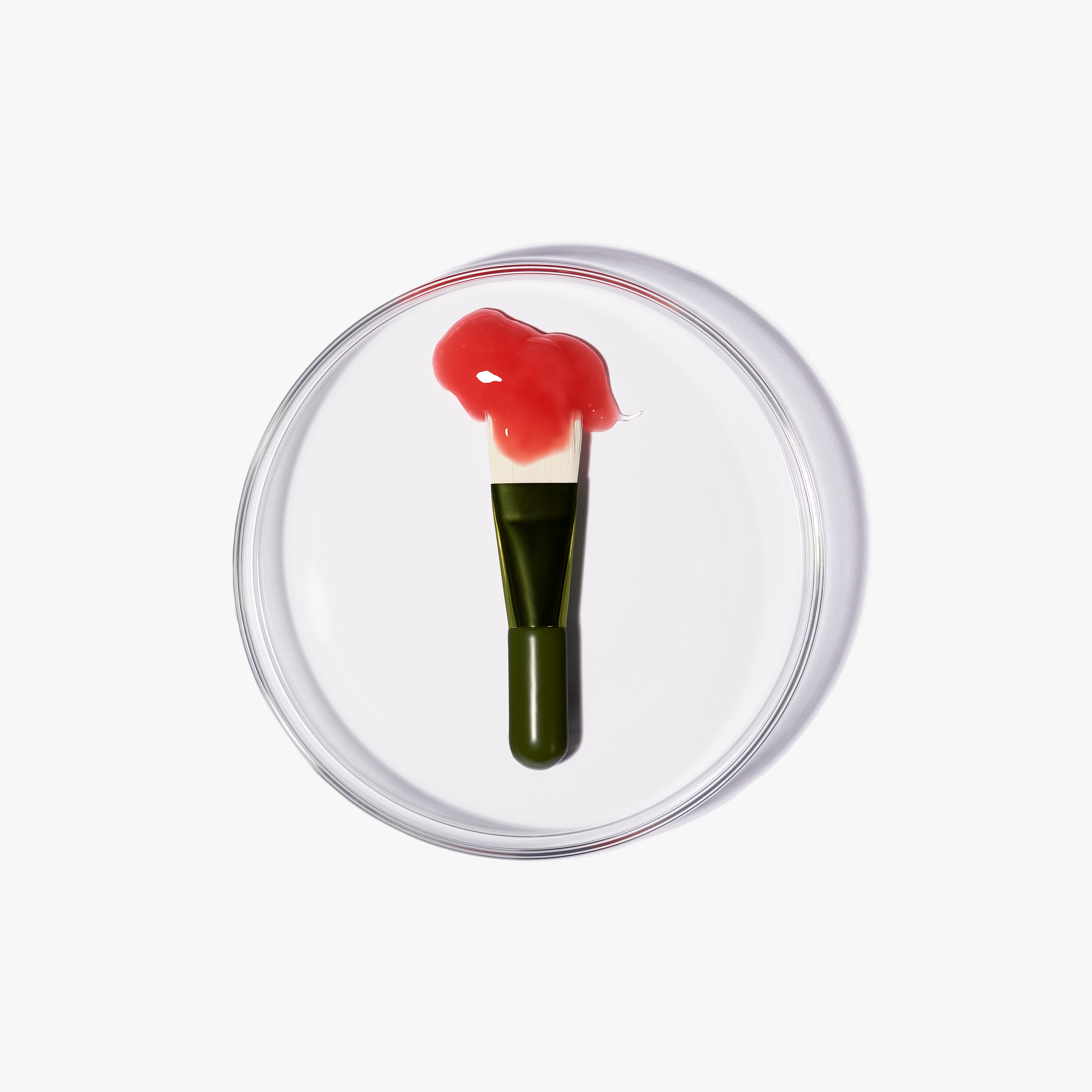
For this, we developed the Empris-Peony™ Biotic Resurfacing Night Serum. This silky, award-winning serum was designed as a complete overnight treatment for skin that needs both hydration and renewal. Recognized by industry experts, it earned the Cosmopolitan Clean Beauty Award 2024 for Best Overnight Treatment for its innovative formula.

Instead of relying on basic humectants, it features a sophisticated complex of advanced ingredients. - Biotic Ferments: A core blend including Lactobacillus Ferment Lysate Filtrate supports a balanced microbiome, which is essential for a strong and effective moisture barrier. - Lasting Hydrators: Trehalose (D) works to lock in moisture deep within the skin, providing comfort that lasts far beyond application. - Gentle Exfoliants: Dry skin can often look dull or feel rough. Gentle flower acids from Hibiscus Sabdariffa Flower Extract and Polyhydroxy Acid (Gluconolactone) work to delicately lift away dead skin cells overnight, revealing a smoother, more radiant-looking surface by morning.
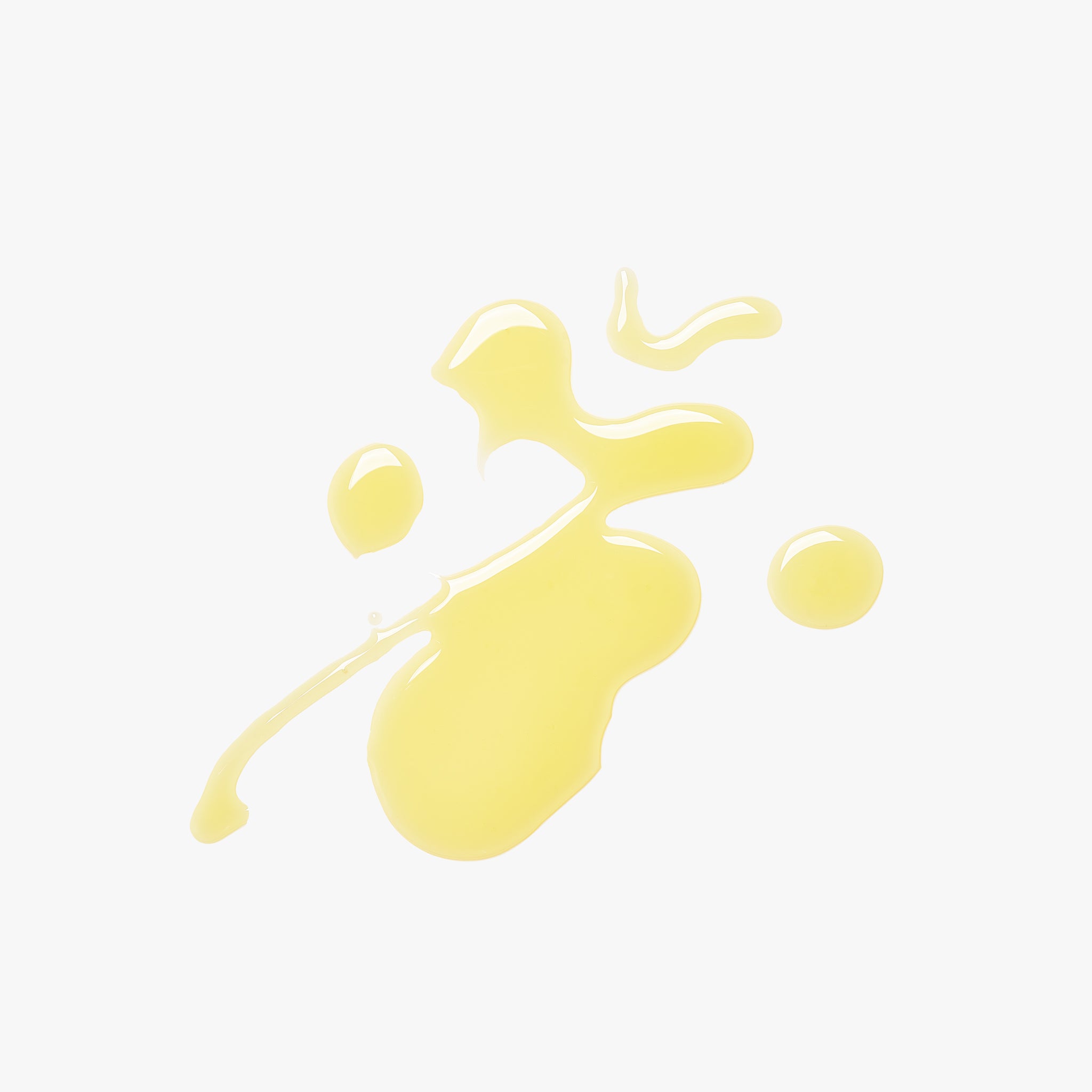
For those who prefer a pure, oil-based serum or wish to add an extra layer of nourishment, the Plum Botanical Serum is a beautiful choice. This luxurious face oil is a comforting blanket for dry skin.

Its formula is simple yet powerful, centered on nutrient-dense oils that replenish the skin’s lipid layer. - Prunus Domestica (Plum) Seed Oil: This cold-pressed oil is rich in antioxidants and nourishing fatty acids, giving skin a soft, supple feel. - Squalane: A skin-identical emollient that sinks in beautifully without a greasy feel, it helps to seal in moisture and supports the skin barrier.
You can use this serum alone on damp skin or layer it over a water-based serum to lock in all the benefits. To find the perfect texture and formula for your routine, you can explore our complete collection of powerful face essences and serums.
How to Layer Your Hydrating Serum for Maximum Impact (Yes, Even with Retinol)
One of the most common questions we receive is whether a hydrating serum can be used with active ingredients like retinol. The answer is not only can you, but you absolutely should. A well-formulated hydrating serum is the perfect partner for a retinoid.
Retinoids work by accelerating skin surface turnover, which can sometimes lead to dryness, flaking, or a feeling of sensitivity. Using a barrier-supportive hydrating serum alongside your retinol can help buffer these effects and keep your skin feeling comfortable.
Here is a simple, effective layering guide for your evening routine:
- Cleanse: Start with a gentle cleanser to remove makeup, SPF, and impurities without stripping your skin. Pat your skin, leaving it slightly damp.
- Apply Hydrating Serum: Apply your hydrating serum (like the Empris-Peony™ Biotic Resurfacing Night Serum) to your damp skin. The moisture helps the serum absorb more effectively.
- Wait a Moment: Allow the serum to fully absorb. This usually takes about 60 seconds. Your skin should feel soft, not tacky.
- Apply Retinol: Apply your retinol product as directed. If you are new to retinol, start low and slow by using it only two or three nights a week.
- Lock It In: Finish by applying a nourishing face oil or moisturizer. This final step is crucial, as it creates a seal over your skin to prevent moisture loss and lock in the active ingredients.
This "sandwich" method ensures your skin gets the full benefits of your active ingredients while staying hydrated and comfortable. To complete your routine, you can seal in all that hydration with one of our luxurious, anti-aging facial oils.
As with any new routine, it is always wise to patch-test products first. If you have persistent skin concerns or sensitivities, we recommend speaking with a licensed esthetician or dermatologist. For more specific guidance on product combinations, you can always check our frequently asked questions.