







A day spent enjoying the outdoors can leave you with wonderful memories. Sometimes, however, it can also leave your skin feeling hot, tight, and uncomfortable. A sunburn is more than just a temporary redness; it’s a sign that your skin's protective barrier has been compromised and needs gentle, supportive care.
This guide will walk you through the essential steps for soothing your skin immediately after too much sun. We will also share a sophisticated routine for the days that follow, helping your skin recover its comfortable, hydrated appearance. At Nuebiome, we believe that supporting your skin’s delicate microbiome is the key to restoring balance and resilience.
Immediate Soothing Steps: What to Do in the First 24 Hours
When your skin feels scorched, your first priority is to cool it down and begin the hydrating process. Acting quickly can make a significant difference in how your skin feels and recovers. Follow these simple steps for immediate relief.
Take a Cool Shower or Bath. Use cool—not cold—water to gently lower your skin's temperature. Extreme cold can be a shock to your system. Avoid using harsh soaps or scrubs, which can further irritate your sensitive skin. Opt for lukewarm water and a gentle, creamy wash.
Enhance Your Bath. For an elevated soothing experience, add a dedicated soak to your cool bath. Our Prebiotic Magnesium Muscle Recovery Flakes are formulated to comfort both your skin and your body. The formula features Magnesium Chloride, a form of magnesium known to ease the feeling of tired, aching muscles. It also contains a prebiotic blend of Inulin and Alpha-Glucan Oligosaccharide, which helps support a balanced skin microbiome, creating an ideal environment for recovery.

Gently Pat Dry. After your bath or shower, use a soft towel to gently pat your skin. Do not rub, as this can cause friction and more irritation. Leave your skin slightly damp to prepare it for the next step of hydration.
Hydrate from the Inside Out. A sunburn can draw fluid to the skin’s surface and away from the rest of the body. Drink plenty of water throughout the day to help rehydrate your system. Fluids with electrolytes can also be beneficial.
Apply a Cooling Compress. For targeted relief, soak a soft washcloth in cool water and apply it to the most affected areas for 10-15 minutes at a time. After a compress, or after patting your skin dry, apply a lightweight, calming hydrator. Many people learn about the well-known benefits of soothing aloe vera for this step.
Sunburn Recovery Mistakes: What to Avoid for Faster Healing
What you don't do for a sunburn is just as important as what you do. When your skin is in a fragile state, certain actions can delay the recovery process or lead to further discomfort. Here are the most common mistakes to avoid.
Do Not Peel or Pick. As your skin begins to recover, it may start to peel. This is a natural part of the process, but you should never pull or pick at it. Forcing the skin off before it's ready can lead to scarring and increases the risk of infection. Let it shed on its own.
Avoid Harsh Actives. Your skin's barrier is compromised, making it extra sensitive. This is not the time for powerful ingredients. Pause your use of exfoliants like alpha-hydroxy acids (AHAs), beta-hydroxy acids (BHAs), and physical scrubs. You should also avoid retinoids until your skin feels completely back to normal.
Say No to Heavy Ointments (at first). While moisturizing is key, avoid very thick, oil-based ointments like petroleum jelly in the first 24-48 hours. These can form a seal over the skin that traps heat, which may make the burning sensation feel worse. Stick to lightweight gels and lotions initially.
Skip the Tight Clothing. Tight clothes made from synthetic fabrics can rub against your sunburned skin, causing painful friction and trapping heat. Choose loose-fitting, soft clothing made from natural, breathable fabrics like cotton or bamboo to let your skin breathe.
The Key to Healing: Why a Moist, Hydrated Barrier is Crucial
You might wonder if it’s better to let a sunburn "dry out." The answer is clear: keeping the skin moist is far better for recovery. A sunburn severely damages your skin’s moisture barrier, which is the outermost layer responsible for keeping hydration in and irritants out. When this barrier is damaged, it can no longer hold onto water effectively, a condition known as transepidermal water loss.
A hydrated environment supports the skin’s natural recovery process, helping it feel comfortable and calm more quickly.
Keeping the skin gently hydrated with soothing ingredients helps create the optimal environment for it to recover. This moisture supports the skin cells as they work to restore the barrier.
Furthermore, a healthy, hydrated barrier is essential for maintaining a balanced skin microbiome. This ecosystem of microorganisms on your skin plays a vital role in its overall resilience. By keeping your skin moist and calm, you help foster a healthy microbiome, which is your first line of defense against environmental stressors.
Your Gentle Skincare Ritual for Post-Sunburn Recovery
After the initial 24-48 hours of intense heat and sensitivity have passed, you can transition to a gentle, multi-step routine focused on deep hydration and barrier support. Always listen to your skin; if anything stings or feels uncomfortable, stop using it. Remember to patch test any new product before applying it to a large area.
Step 1: Cleanse with Care Use a milky, creamy, or oil-based cleanser that does not foam. Massage it onto dry skin and rinse with cool water or gently remove with a soft, damp cloth. The goal is to clean your skin without stripping away its natural oils.
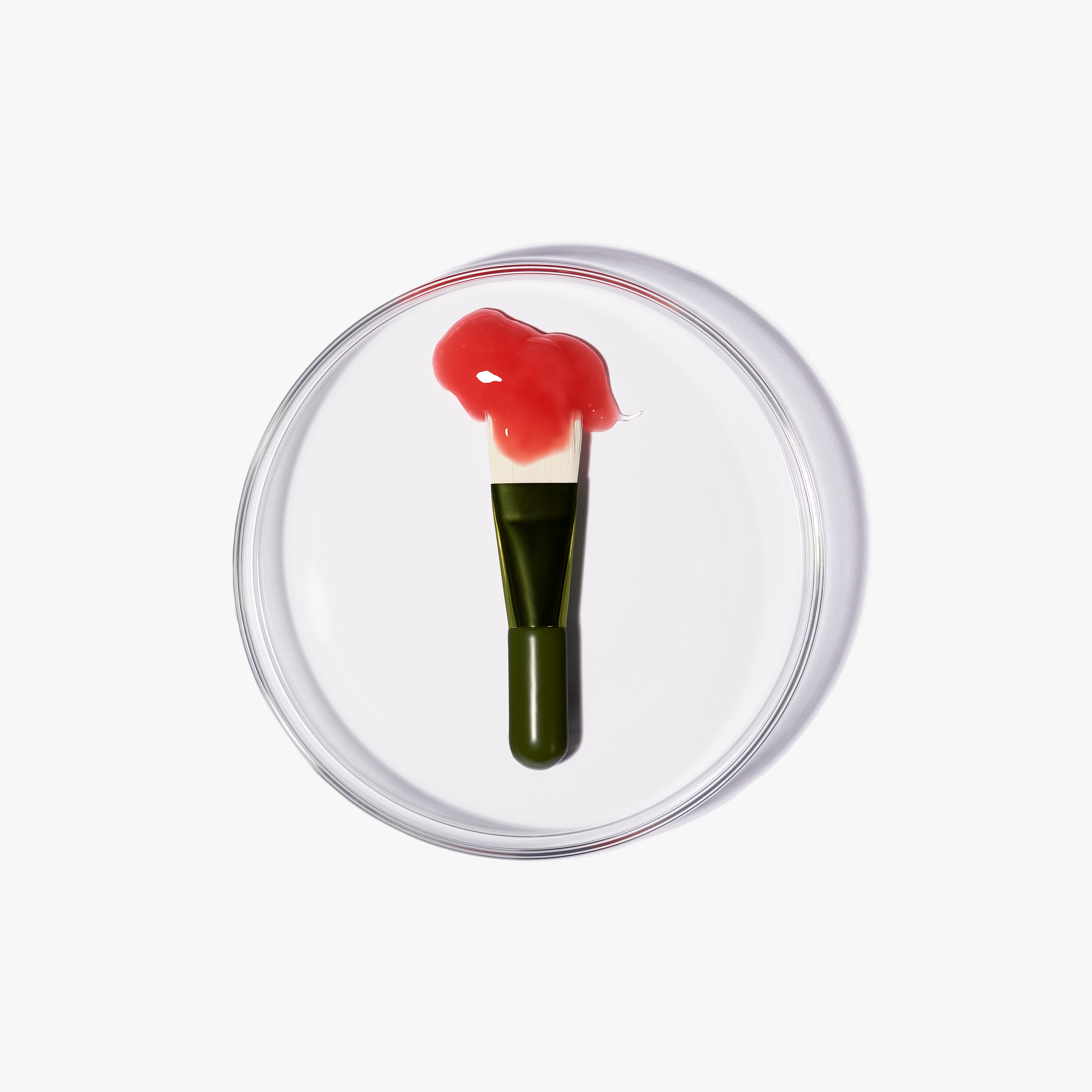
Step 2: Soothe with a Post-Recovery Mask Once your skin is no longer red or actively peeling, you may notice it looks dull or has an uneven texture. To address this, you can use a gentle treatment mask. Our (Glyco-Biotic)™ Ultra-Synbiotic Face Mask is an ideal choice for this later stage of recovery. While it is an exfoliating gel, it is formulated with ingredients to support the complexion. It contains Niacinamide, which helps visibly brighten the skin and supports the moisture barrier. It also features Lactobacillus Ferment Lysate Filtrate, a postbiotic that helps create a calm and balanced environment for your skin. Use it for a few minutes on recovered skin to help with post-sun dullness.

Step 3: Layer on Hydration While skin is still damp from cleansing, it's time to layer on watery hydration. This helps to replenish the moisture lost from the sun damage. You can support the healing process by layering on a deeply hydrating face essence. Look for formulas with simple, calming ingredients.
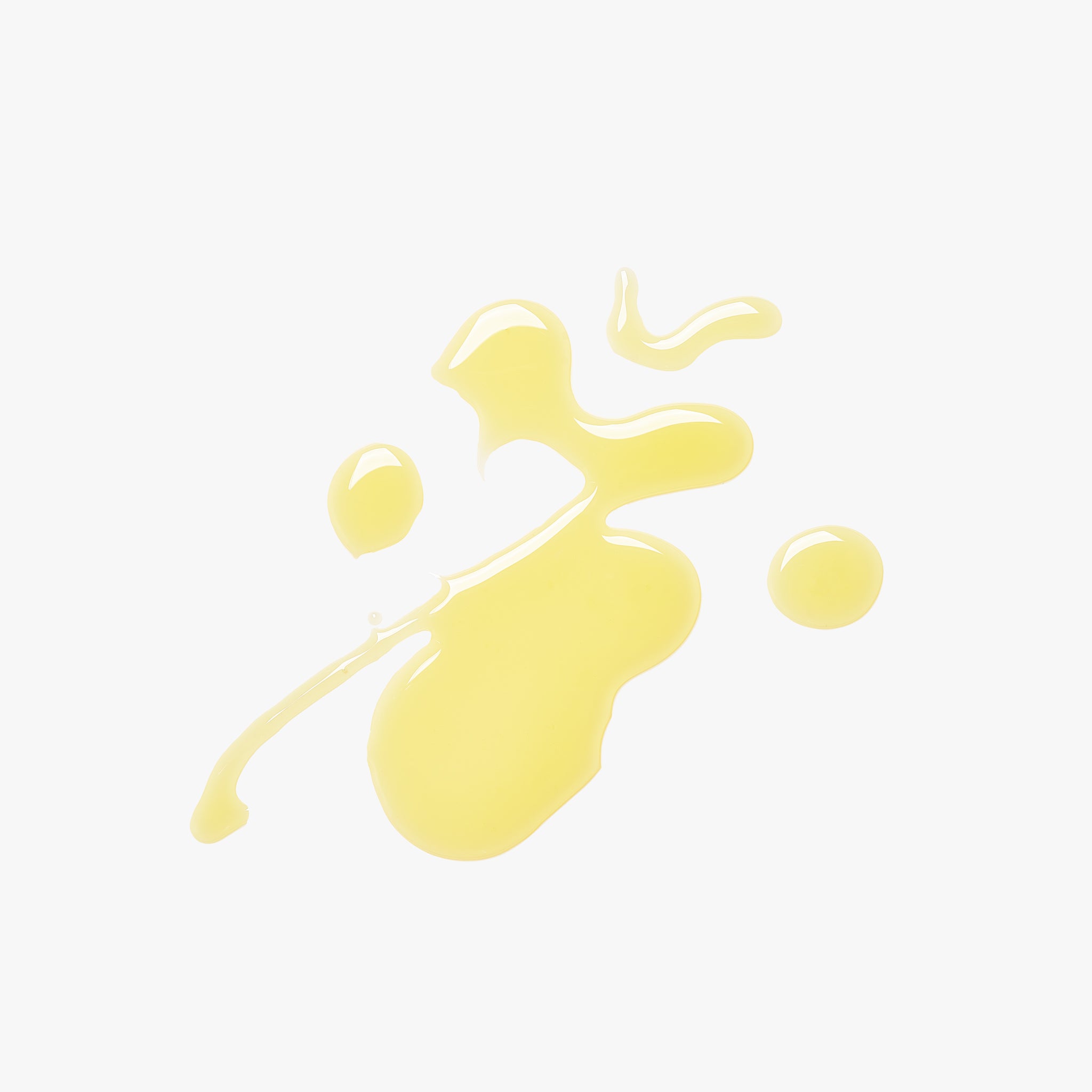
Step 4: Moisturize and Support Apply a simple, fragrance-free moisturizer to your face and body to lock in the hydration from the previous steps. As your skin continues to heal over the following days and weeks, you can help restore your skin's compromised barrier with a gentle, reparative face oil to further nourish and soften the skin.
Looking Ahead: Prevention is the Best Treatment
The most effective way to handle a sunburn is to prevent it from happening in the first place. Protecting your skin allows you to enjoy the sun responsibly and maintain your skin’s long-term health and appearance.
Make these practices a non-negotiable part of your daily routine:
Apply Sunscreen Daily. Use a broad-spectrum sunscreen with an SPF of 30 or higher every single day, even when it’s cloudy or you’re indoors near a window. Apply it generously as the last step of your morning skincare routine.
Reapply Often. Sunscreen is not a one-and-done application. Reapply it at least every two hours, and more frequently if you are swimming, sweating, or toweling off.
Seek Shade. The sun's rays are strongest between 10 a.m. and 4 p.m. During these peak hours, seek shade under an umbrella, a tree, or a covered porch.
Wear Protective Clothing. Cover up with loose-fitting, long-sleeved shirts, pants, and wide-brimmed hats. Many modern fabrics offer a UPF (Ultraviolet Protection Factor) rating for extra security.
By making sun protection a priority, you can look forward to future holidays and sunny days with confidence. And if you need to build a comprehensive post-trip routine, you can always explore our collection of restorative skincare bundles.
If you experience a severe or blistering sunburn, please consult with a licensed medical professional for appropriate care.