








Blemishes that appear along the jawline, chin, and neck can be frustrating. These breakouts often follow a monthly cycle and can feel deep and uncomfortable. This pattern is a key sign of hormonal acne.
Hormonal shifts can cause your skin to produce more oil, also known as sebum. This change can affect the delicate balance of your skin’s surface. Think of your skin as a garden, home to a complex ecosystem of tiny organisms. This is your skin microbiome.
When your skin produces excess oil, it can become an overly rich food source for certain types of bacteria. This can throw your skin's ecosystem out of balance, leading to the redness and bumps associated with breakouts. The goal isn't to get rid of all bacteria, but to support a balanced and diverse environment where your skin can thrive.
Focusing on a balanced skin ecosystem is a foundational step for calm, clear-looking skin.
This approach is about working with your skin, not against it. By rebalancing your skin’s microbiome, you help it become more resilient and less reactive to hormonal changes.
The Biotic Approach: Your Natural Alternative to Harsh Treatments
Many common treatments for breakouts use ingredients that can feel harsh. They may strip the skin of its natural moisture, which can disrupt the skin's protective barrier and its microbiome even further. This can lead to a cycle of irritation and discomfort.
A biotic approach is different. It focuses on nurturing your skin's ecosystem with ingredients that help restore balance. This is done using prebiotics, probiotics, and postbiotics.
- Prebiotics: These are like a healthy meal for the good bacteria on your skin. They provide the nutrients needed for a balanced microbiome to flourish.
- Probiotics & Postbiotics: These are beneficial ferments and their byproducts. They help soothe the skin and support its natural barrier. By introducing these elements, you help create an environment where the skin feels calm and comfortable. If you're interested in learning more, you can start by understanding the science behind powerful bio-ferments like Saccharomyces Lysate.
The ultimate goal is to build a strong, resilient skin barrier. A supported barrier is better equipped to handle the hormonal fluctuations that can lead to breakouts, helping your skin look and feel its best.
Your 3-Step Natural Routine for Clearer, Calmer Skin
Creating a simple, consistent skincare ritual is the key to rebalancing your skin’s ecosystem. This three-step routine is designed to cleanse, clarify, and fortify your skin, helping it find its natural equilibrium.
Step 1: Cleanse with Care
The first step in any routine is the most important: a gentle, effective cleanse. It is essential to remove impurities, excess oil, and makeup without stripping the skin of its essential moisture. A harsh cleanser can weaken the skin barrier, making it more prone to imbalance and irritation.
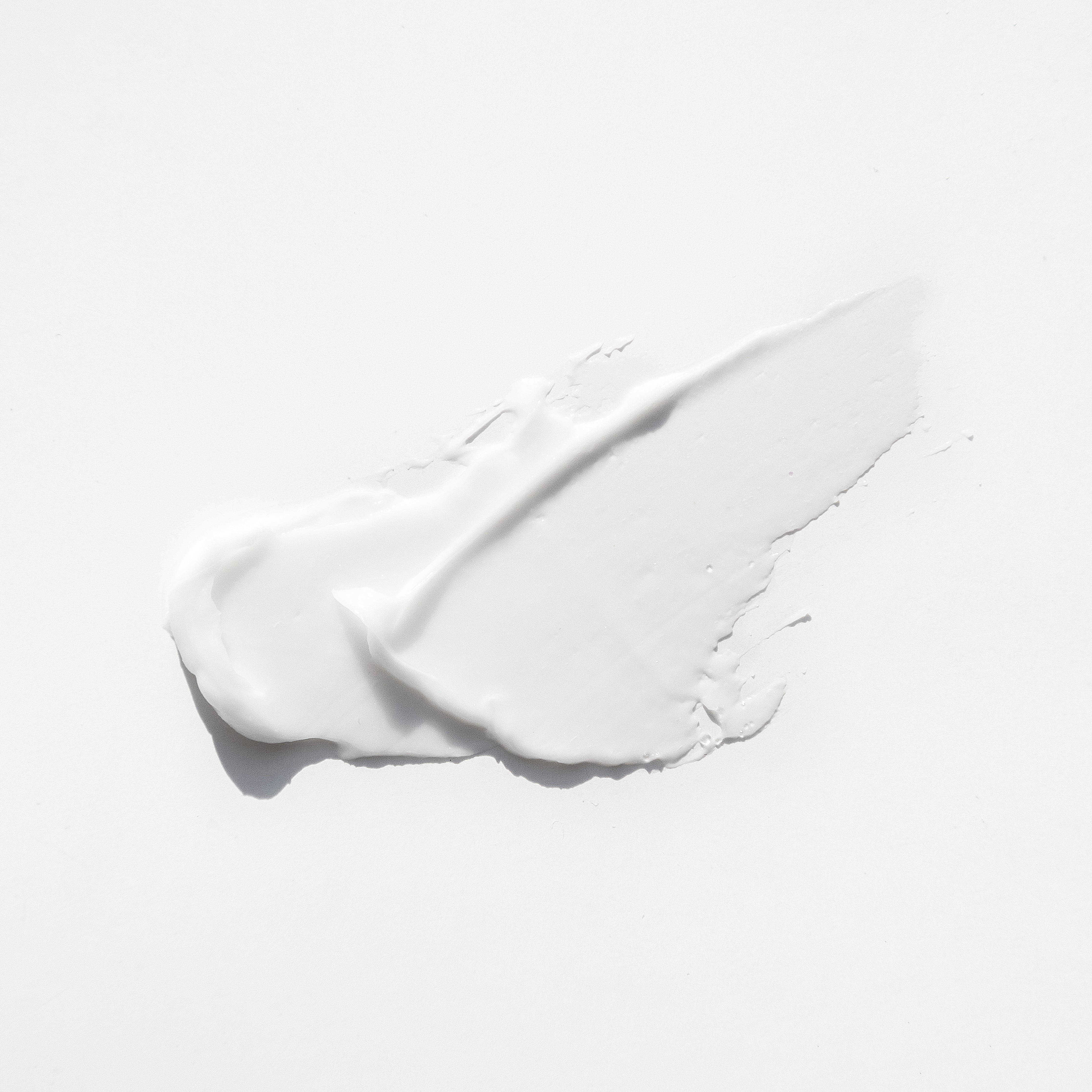
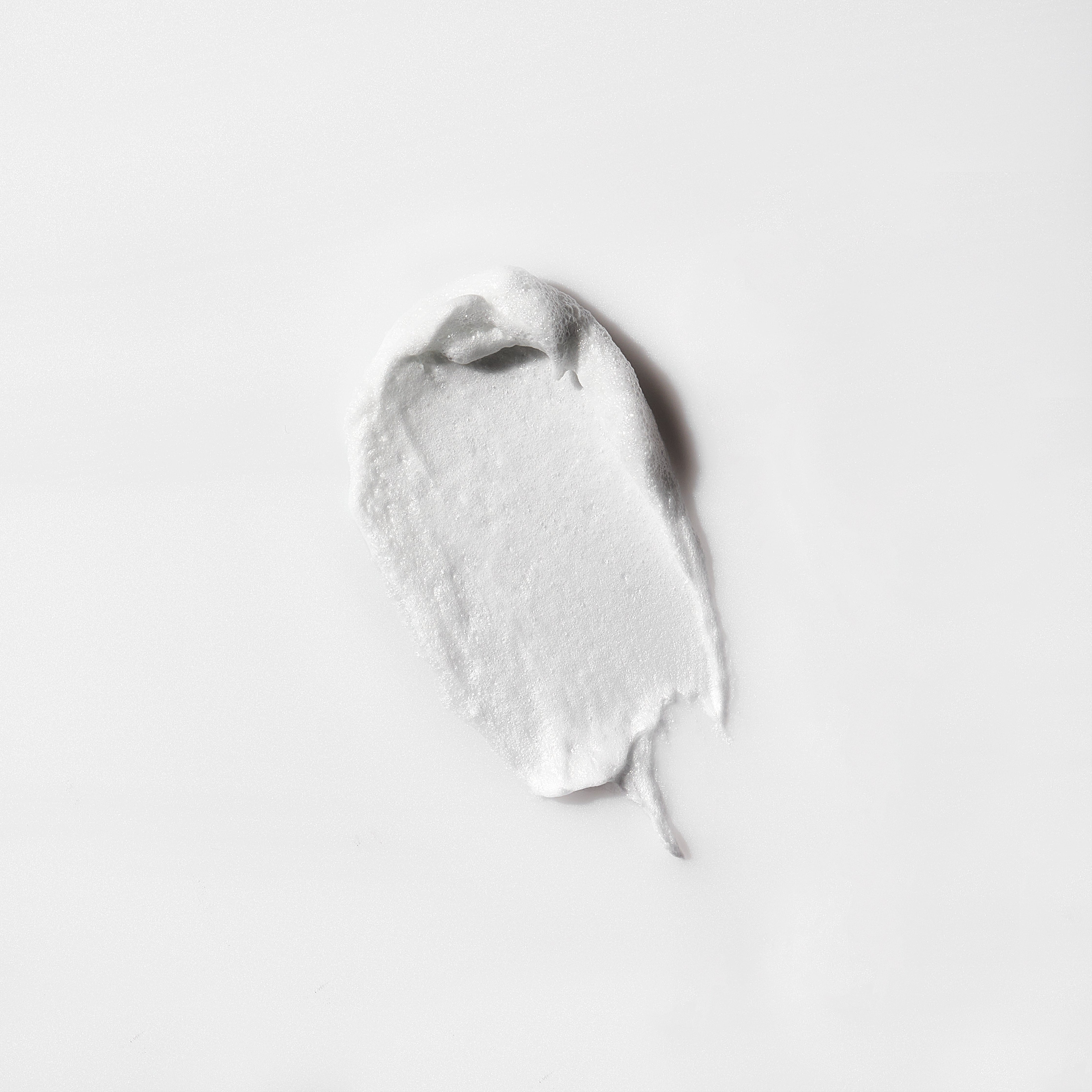
We recommend a creamy, pH-balanced cleanser that respects your skin's delicate nature. The Biome Balancing Creamy Cleanser is a soap-free formula that lifts away impurities while supporting the moisture barrier. Its soft, milky texture feels comforting on the skin and rinses clean without leaving any feeling of tightness.

This formula uses biotic ingredients to begin the rebalancing process right from the cleansing step.
- Lactobacillus Ferment Lysate: This postbiotic ingredient helps support a calm and balanced skin environment.
- Avena Sativa (Oat) Kernel Flour: This is finely milled colloidal oatmeal, known for its ability to gently soothe and comfort sensitive skin.
By starting your routine with a gentle cleanse, you prepare your skin to better receive the targeted treatments that follow.
Step 2: Resurface and Soothe
After cleansing, the next step is to address skin texture and prevent pores from becoming clogged. Hormonal fluctuations can speed up skin cell turnover, but if those cells don't shed properly, they can mix with sebum and lead to congestion. Gentle exfoliation is crucial for maintaining a smooth, clear complexion.
At night, your skin enters a natural renewal cycle. This is the perfect time to apply a treatment that works in harmony with this process. The Empris-Peony™ Biotic Resurfacing Night Serum is a silky emulsion designed to gently exfoliate and renew your skin’s appearance while you sleep.

Instead of using high concentrations of a single acid, this serum uses a blend of biotic ferments and gentle acids to refine skin texture while actively soothing it.
- Saccharomyces/Xylinum/Black Tea Ferment: Derived from kombucha, this postbiotic helps improve the appearance of skin tone and texture for a smoother, more radiant look.
- Hibiscus Sabdariffa Flower Extract: A natural source of flower acids that provides gentle exfoliation without the irritation often associated with stronger acids. It helps to visibly brighten the skin.
Using this serum nightly helps to keep pores clear and supports a calmer complexion. While exfoliation is important, it's also helpful to learn about the different methods available, such as discovering how microneedling compares to less invasive options like a chemical peel for improving skin texture over time.
Step 3 (Weekly): Deeply Purify and Fortify
Once or twice a week, your skin can benefit from a more intensive treatment. A purifying mask acts like a reset button, helping to draw out deep-seated impurities and provide a concentrated dose of barrier-supporting ingredients. This step is especially helpful for managing the excess oil associated with hormonal shifts.
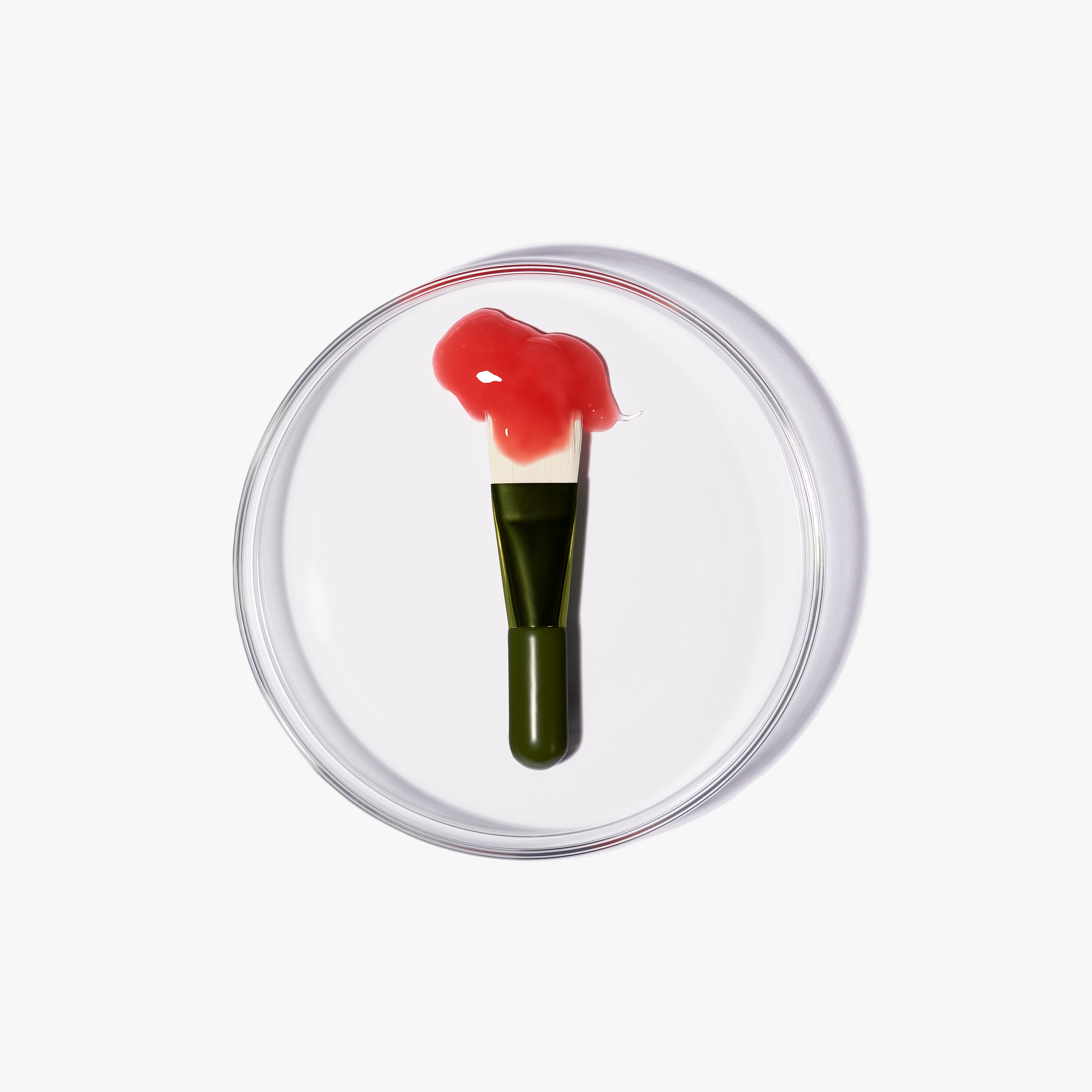
The (Glyco-Biotic)™ Ultra-Synbiotic Face Mask is a gel-to-clay treatment that exfoliates, clarifies, and nourishes the skin. It helps to visibly brighten the complexion, smooth texture, and support a healthy skin barrier.

This mask provides a multi-faceted approach to skin renewal, combining powerful exfoliants with nurturing biotic ingredients.
- Glycolic Acid: An alpha-hydroxy acid (AHA) that effectively dissolves the bonds holding dead skin cells to the surface, revealing brighter, smoother-looking skin.
- Lactobacillus Ferment Lysate Filtrate: A probiotic ferment that helps support the skin’s microbiome and fortify its natural defenses.
- Niacinamide: A form of vitamin B3 that helps to visibly balance sebum production and improve the appearance of pores and uneven skin tone.
After using this routine, it is important to follow up with a moisturizer that will not clog pores. Understanding why choosing the best lightweight moisturizers for breakout-prone skin is a crucial step to lock in hydration without contributing to congestion.
Lifestyle Habits to Support a Balanced System
What you do every day can also play a role in how your skin looks and feels. Supporting your body from the inside out can complement your skincare routine and help you manage the effects of hormonal changes.
- Mindful Diet: The connection between your gut health and skin health is significant. Including a variety of fruits, vegetables, and fiber-rich foods can support a healthy gut microbiome, which in turn can contribute to calmer-looking skin.
- Stress Management: Stress causes the body to release cortisol, a hormone that can increase oil production and trigger breakouts. Incorporating calming rituals into your day, such as deep breathing, a quiet walk, or meditation, can help manage stress levels.
- Choosing Makeup & SPF: When selecting makeup and sunscreen, look for products labeled "non-comedogenic." This means they are formulated in a way that is less likely to clog your pores, helping to keep your skin clear.
Answering Your Questions on Treating Hormonal Acne Naturally
Navigating hormonal acne can bring up many questions. Here are answers to some of the most common ones.
How do I clear hormonal breakouts naturally?
A consistent, microbiome-first skincare routine is the foundation. It involves using gentle, supportive products every day to help your skin rebalance itself. Instead of stripping the skin with harsh ingredients, this approach focuses on nurturing the skin barrier and its ecosystem. Over time, this helps your skin become more resilient to the hormonal triggers that cause breakouts.
How long does it take for natural treatments to work?
Patience is key. It takes time for your skin barrier to become stronger and for your microbiome to find its balance. You may start to see your skin feel calmer and more comfortable within a few weeks. However, more significant changes in the appearance of breakouts typically take between 4 to 8 weeks of consistent use.
Can I use this routine with other active ingredients?
It's best to keep your routine simple when your goal is to rebalance your skin. Combining too many active ingredients, especially exfoliants, can lead to irritation and compromise your skin barrier. If you want to incorporate another active, it is always wise to start low and slow. Introduce one new product at a time, use it on alternate nights, and always patch-test first to see how your skin responds.
By adopting a biotic approach, you are not just managing breakouts—you are fostering a healthy, balanced environment for your skin to thrive. To learn more, you can explore our full range of microbiome-focused skincare products.
As with any new skincare routine, we always recommend patch testing products before use. If you have persistent skin concerns, it is best to consult with a licensed professional, such as a dermatologist or esthetician.