







First, What Is Your Skin Barrier (And How Do You Know It's Damaged)?
Think of your skin’s outermost layer like a strong brick wall. The bricks are your skin cells. The mortar holding them together is made of natural fats called lipids. This structure is your skin barrier. Its job is to keep good things, like water, in and keep potential irritants out. A strong barrier helps skin look and feel calm, smooth, and hydrated.
When this "mortar" weakens, gaps can form in the wall. This is called a compromised or damaged skin barrier. It is a very common issue. You might notice your skin feels uncomfortable, tight, or suddenly sensitive.
Common signs of a damaged skin barrier include:
- Persistent redness or blotchiness
- A feeling of tightness, even after moisturizing
- Dryness, flaking, or rough texture
- Increased sensitivity to products you normally use
- A stinging or burning sensation when you apply skincare
If this sounds familiar, don't worry. With a gentle approach and the right routine, you can guide your skin back to a comfortable, balanced state.
The 3 Pillars of Barrier Repair: Simplify, Soothe, and Strengthen
Repairing your skin barrier is about giving it a much-needed rest. To do this, we focus on a simple, three-part philosophy. This approach helps calm irritation and rebuild your skin’s natural defenses.
- Simplify: First, scale back your routine. Pause the use of all strong or exfoliating ingredients. This includes retinoids, potent acids, and physical scrubs. Your skin needs a break to focus on recovery.
- Soothe: Next, focus on calming your skin. Use products with gentle, soothing ingredients that help reduce the appearance of redness and make your skin feel more comfortable.
- Strengthen: Finally, reintroduce ingredients that support your skin's structure. This means providing deep hydration, replenishing lipids, and nurturing your skin’s microbiome—the community of helpful microorganisms that live on your skin.
A simple, soothing, and strengthening routine is the fastest way to support your skin's natural recovery process.
Your Step-by-Step Gentle Skincare Routine for Barrier Repair
Follow this gentle AM and PM routine to help soothe and support your skin barrier. Consistency is the most important part of the process.
Step 1: A Gentle Cleanse
Cleansing is essential, but it must be done gently. Harsh cleansers can strip the skin of its natural oils, making the problem worse. Use lukewarm water, never hot, and avoid rubbing your skin with a towel. Gently pat it dry.
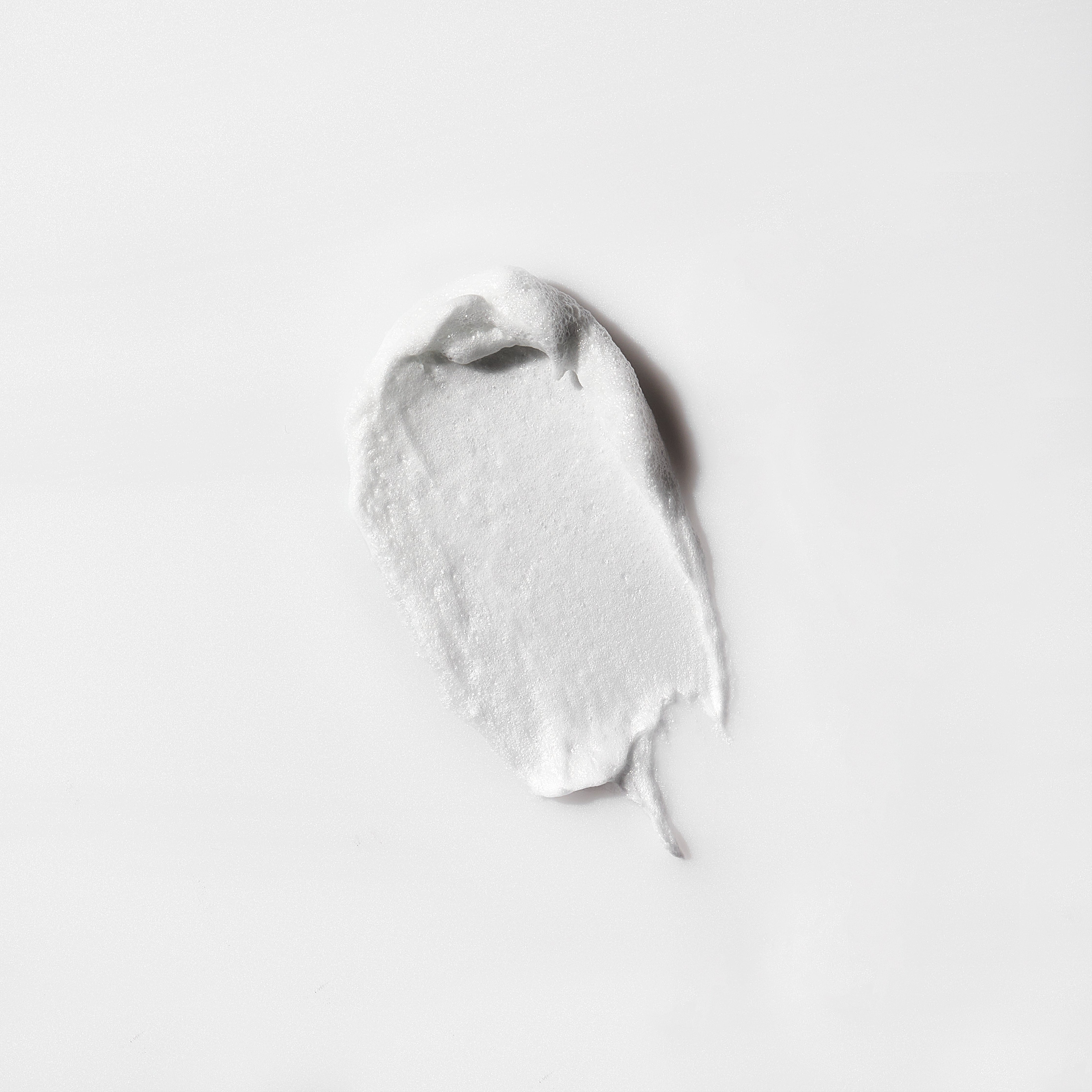
Choose a creamy, pH-balanced cleanser that doesn’t contain soap or sulfates. The Biome Balancing Creamy Cleanser is a cushiony formula that lifts away impurities without disrupting the moisture barrier. It uses gentle, plant-derived cleansing agents and supportive ingredients like Avena Sativa (Oat) Kernel Flour, a fine-milled oat that is known for its comforting properties. It also contains postbiotics from Lactobacillus Ferment Lysate to help keep the skin’s microbiome in balance.
Step 2: Hydrate & Prep
After cleansing, while your skin is still slightly damp, it’s time to add a layer of hydration. An essence is a lightweight liquid that preps your skin to better absorb the products that follow. It delivers a concentrated dose of moisture and skin-balancing ingredients.
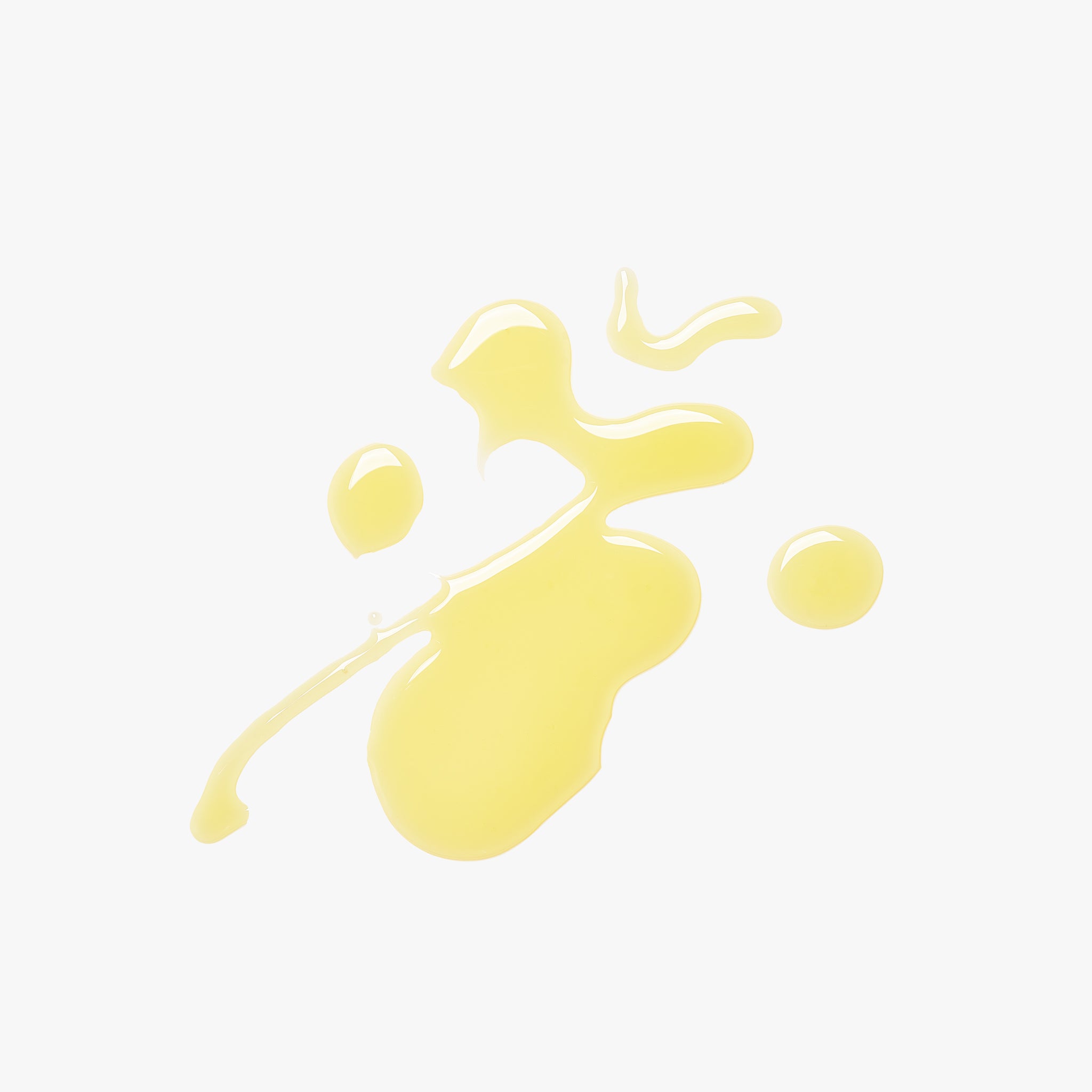
Apply a few drops of a ferment essence like The Biotic Glow™ Ferment Essence. This alcohol-free formula floods the skin with hydration. It contains prebiotics like Inulin to feed the skin’s good bacteria and postbiotics from Lactobacillus Ferment Lysate to support a balanced complexion. It helps the skin feel refreshed and ready for your moisturizer.
Step 3: Moisturize & Nourish
A moisturizer is non-negotiable for barrier repair. It replenishes lost hydration and provides the lipids your skin needs to rebuild its "mortar." Look for a formula that is nourishing but doesn’t feel heavy or greasy.
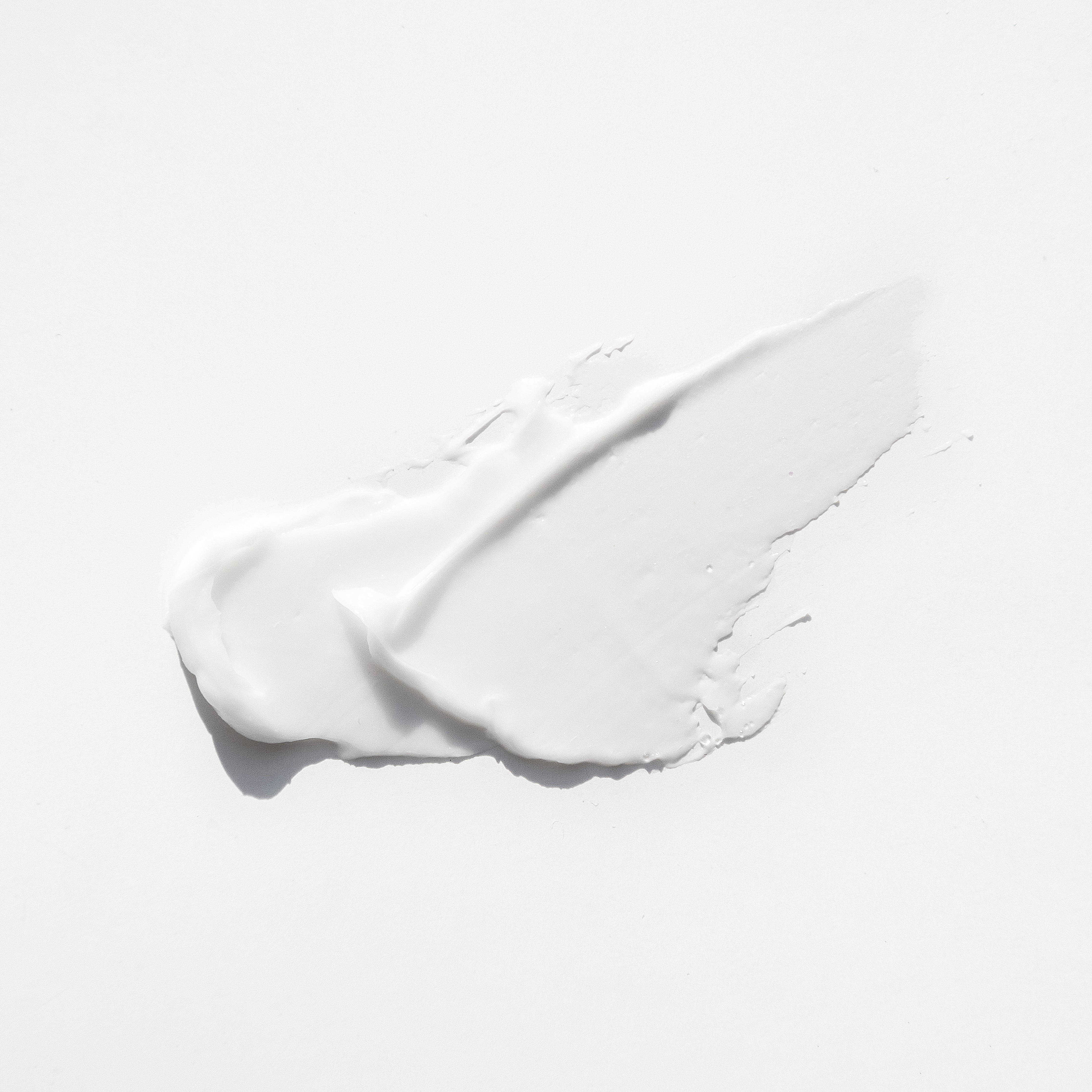
The Biotic Radiance-Boosting Hydrator is a silky, oil-free cream that supports the skin barrier. It contains Squalane, a plant-derived lipid that mimics your skin’s natural oils, helping to lock in moisture without clogging pores. It also features a signature blend of Lactobacillus Ferment Lysate to visibly improve skin radiance. Deeply moisturizing your skin is key to understanding the role of key building blocks like ceramides for resilient skin.
Step 4: Seal & Protect
For the final step, especially at night, an oil can be a powerful tool. A face oil acts like a topcoat, sealing in all the hydration from your essence and moisturizer. This prevents water loss and provides an extra layer of protection.
Gently press 2-3 drops of the Skin Soothing Face Oil onto your face. This lightweight oil features Calophyllum Inophyllum (Tamanu) Oil, a deeply nourishing oil from the South Pacific prized for its soothing abilities. It also includes Squalane to soften and smooth the look of skin texture, leaving it feeling comfortable and supple. You can seal in essential hydration with luxurious, anti-aging facial oils to complete your routine.
These four steps work together as a complete system in the Barrier Boost Moisture Rescue Set. This curated collection has everything you need to simplify your routine and focus on gentle, effective barrier support.

Accelerate Healing: Weekly Treatments and Lifestyle Tips
Once a week, you can add an intensive treatment to support your skin’s recovery. A gentle, hydrating mask can infuse your skin with moisture and beneficial nutrients.
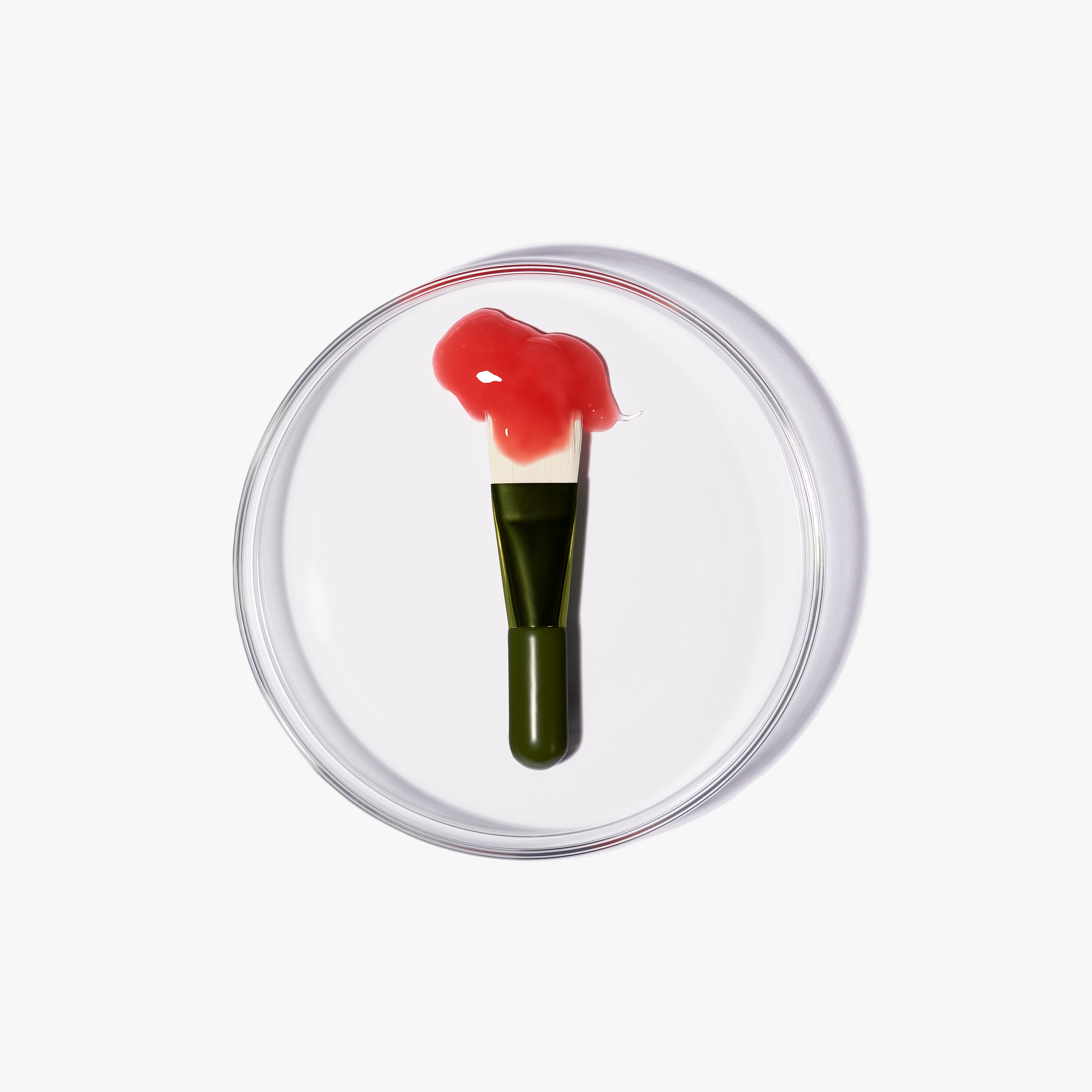
The (Glyco-Biotic)™ Ultra-Synbiotic Face Mask is a unique gel formula designed to be both effective and supportive. While many exfoliating masks can be too harsh for sensitive skin, this one is packed with soothing and hydrating ingredients. It contains Niacinamide to improve the look of redness and a powerful prebiotic and postbiotic blend, including Inulin and Lactobacillus Ferment Lysate Filtrate, to support the microbiome. Apply a thin layer, leave on for 5-10 minutes, and rinse thoroughly. Always patch test first when your barrier is compromised.

Beyond your products, simple lifestyle changes can make a big difference:
- Wash your face with lukewarm water.
- Pat your skin dry with a soft, clean towel.
- Avoid unnecessarily touching or picking at your skin.
- Protect your skin from harsh wind and apply a broad-spectrum sunscreen every day.
The 'Do Not' List: Ingredients and Habits to Pause Immediately
Knowing what to avoid is just as important as knowing what to use. While your skin is healing, press pause on the following ingredients and habits.
Ingredients to Stop Using:
- Harsh Actives: Retinoids (retinol, tretinoin), high-strength Vitamin C (L-Ascorbic Acid), and exfoliating acids (glycolic, lactic, salicylic).
- Physical Scrubs: Any scrubs with grains, seeds, or beads that can cause micro-tears.
- Drying Alcohols: High concentrations of denatured alcohol in toners or treatments.
- Added Fragrance: Synthetic fragrances and some essential oils can be irritating to a compromised barrier.
Habits to Break:
- Using harsh cleansing brushes or rough washcloths.
- Cleansing more than twice a day.
- Taking long, hot showers or baths that can strip skin’s oils.
- Trying many new products at once. Stick to your simple routine.
The Path to Resilient Skin: Patience is Key
Remember the core philosophy: Simplify, Soothe, and Strengthen. This is your path back to skin that looks and feels its best. Barrier repair is a marathon, not a sprint. It can take anywhere from two to six weeks of consistent, gentle care to see significant improvement.
Listen to your skin. If it feels comfortable and calm, you are on the right track. As it grows stronger, you can slowly reintroduce other products one at a time. Trust in the process of gentle healing and enjoy the journey back to resilient, radiant skin. By building a gentle, microbiome-friendly skincare routine, you set the foundation for long-term skin comfort. For a complete system, you can simplify your healing journey with our curated skincare sets.