







What Is the Skin Barrier and Why Does It Matter?
Your skin is your body’s first line of defense. The very outermost layer is called the skin barrier, or moisture barrier. Think of it like a wall made of bricks and mortar. The "bricks" are your skin cells, and the "mortar" is a mix of natural fats, or lipids, that hold everything together.
This barrier has two very important jobs. First, it keeps water sealed inside your skin, which helps it look plump and feel hydrated. Second, it keeps unwanted things out, like pollution and irritants. Taking care of this barrier is the foundation of building a consistent yet gentle skincare ritual for glowing, healthy skin.
Living on this barrier is a delicate ecosystem of microorganisms called the skin microbiome. This "living shield" works with your skin to keep it balanced and comfortable. When your barrier and microbiome are in sync, your skin looks and feels its best.
How to Tell If Your Skin Barrier Is Damaged
When your skin barrier is compromised, it can’t do its job properly. It becomes "leaky," allowing moisture to escape and irritants to get in. This can show up on your skin in several ways.
You might notice some of these common signs:
- Increased Sensitivity: Your skin might react to products that it used to tolerate well.
- Persistent Redness: You may see blotchy, red areas that don’t seem to go away.
- Dryness and Flaking: Your skin might feel constantly thirsty, rough, or flaky, no matter how much you moisturize.
- Tightness: A feeling of uncomfortable tightness, especially after cleansing.
- Itchiness: A compromised barrier can often feel itchy or irritated.
- More Breakouts: When the barrier is weak, it can be easier for certain bacteria to cause pimples.
These signs are often a result of something called Transepidermal Water Loss (TEWL). This is a scientific term for water evaporating from your skin. A healthy barrier prevents this, but a damaged one allows it to happen much faster.
A strong skin barrier is the key to skin that looks calm, hydrated, and feels comfortable.
The Culprits: What Causes a Damaged Skin Barrier?
A compromised skin barrier can happen to anyone. It’s usually caused by a combination of factors. Understanding these causes can help you protect your skin in the future.
Skincare Mistakes
Sometimes, in our quest for perfect skin, we can do too much. Over-exfoliating with harsh physical scrubs or using strong acids too often can strip away the essential lipids in your barrier. Using cleansers that are too stripping can also remove your skin's natural oils, leaving it feeling tight and vulnerable.
Environmental Factors
Your environment plays a big role. Daily sun exposure without protection is one of the biggest factors that can weaken the skin barrier over time. Other factors include air pollution, extreme cold or hot weather, and dry air from indoor heating or cooling systems.
Lifestyle Factors
Internal factors can also show up on your skin. High levels of stress can affect your skin’s ability to stay balanced. A lack of quality sleep can also slow down its natural overnight processes. A balanced diet provides the nutrients your skin needs to maintain its structure.
Your 4-Step Microbiome-First Plan to Repair Your Skin Barrier
When your skin is feeling sensitive and compromised, the best approach is to go back to basics. The goal is to be as gentle as possible while giving your skin the ingredients it needs to support its natural balance.
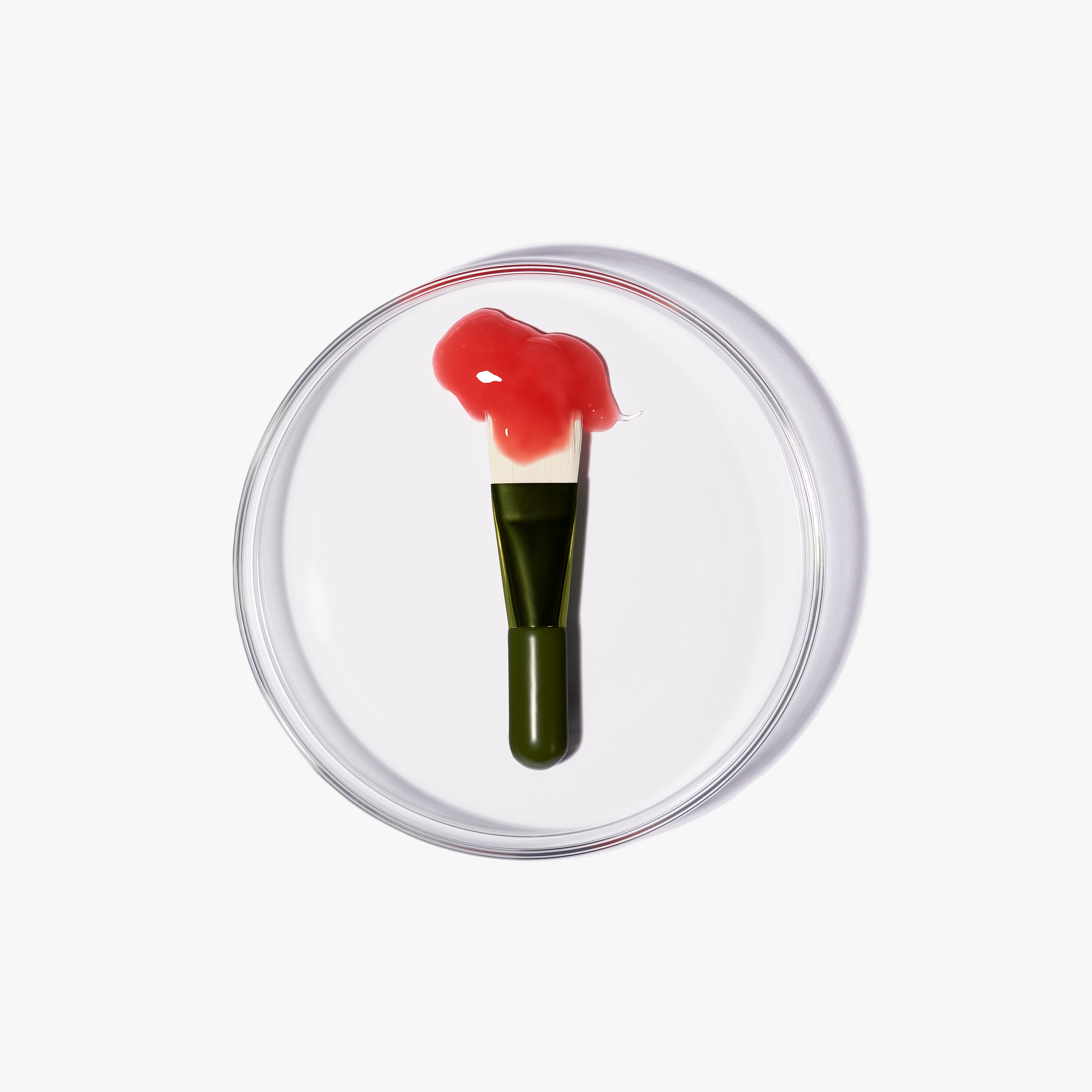
This simple, four-step routine focuses on soothing, hydrating, and nourishing your skin. To make this process simple, we curated the Barrier Boost Moisture Rescue Set. It contains everything you need to guide your skin back to a state of comfort and radiance.

Here is your step-by-step plan.
Step 1: Cleanse Gently
The first step is to stop using any cleanser that leaves your skin feeling tight or “squeaky clean.” That feeling is often a sign that your skin’s protective oils have been stripped away.
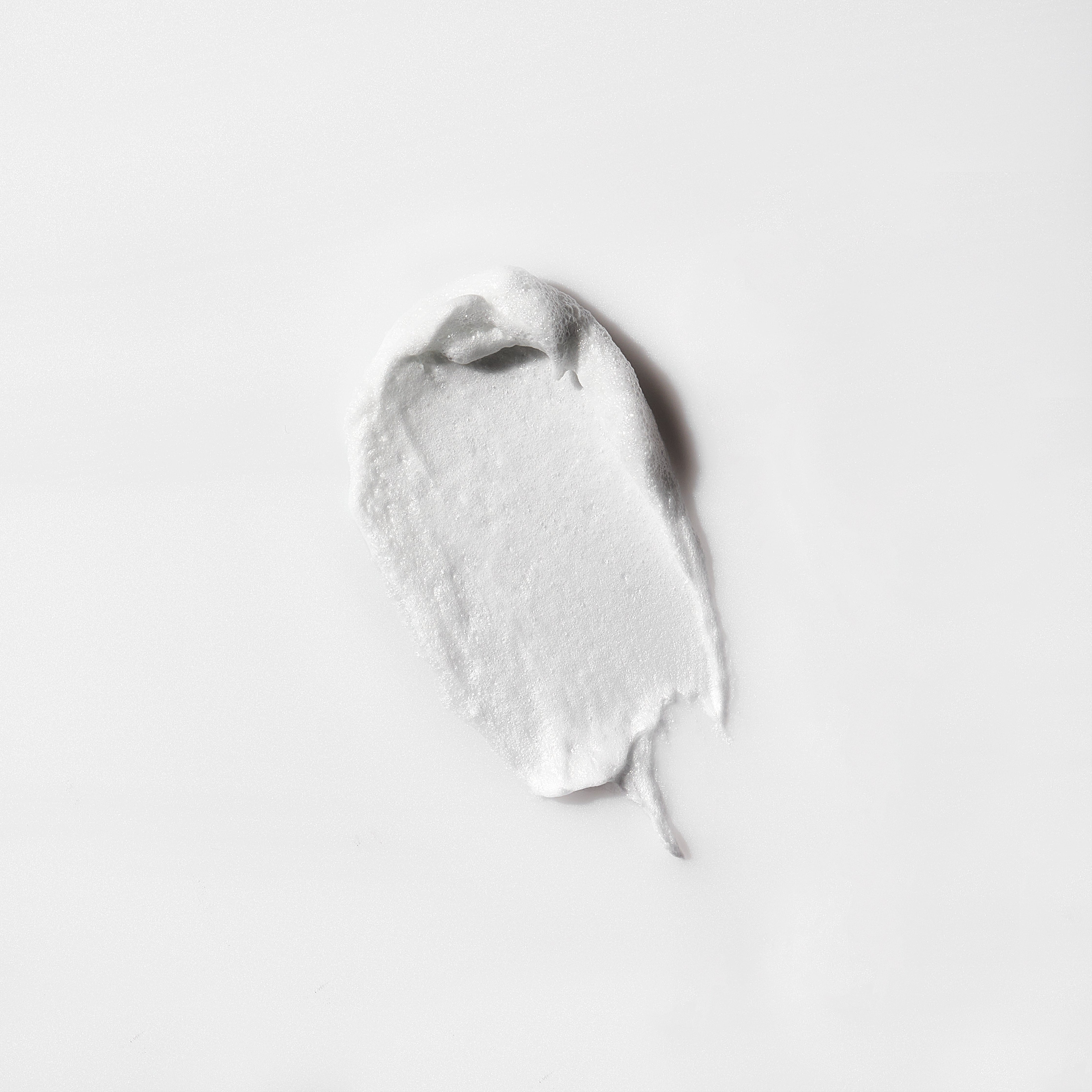
Instead, switch to a creamy, pH-balanced cleanser. The Biome Balancing Creamy Cleanser is a soap-free formula that lifts away dirt and impurities without disrupting your delicate moisture barrier. It uses gentle cleansing agents and supports the skin with key ingredients.
- Lactobacillus Ferment Lysate: This postbiotic ingredient helps support a balanced skin microbiome, promoting a calm appearance.
- Avena Sativa (Oat) Kernel Flour: This fine-milled oat is known for its incredible soothing properties, helping to comfort sensitive skin.
To use, massage a small amount onto damp skin and rinse with lukewarm water. Hot water can be stripping, so keeping it cool is best for a compromised barrier.
Step 2: Replenish with a Ferment Essence
After cleansing, your skin is ready to drink in hydration. This is the perfect moment for an essence, a watery lotion that delivers a concentrated burst of ingredients. Using specialized face essences and serums that deliver concentrated ingredients is a gentle way to rebalance your skin.
The Biotic Glow™ Ferment Essence is designed to do just that. This alcohol-free fluid drenches skin in hydration and helps rebalance the microbiome.
- Inulin: This is a prebiotic, which acts as "food" for the good bacteria on your skin, helping your microbiome to thrive.
- Lactobacillus Ferment Lysate: More of this postbiotic hero helps to visibly balance and comfort the skin.
Pat a few drops into your skin with your palms. It absorbs in seconds, leaving your skin feeling soft and prepped for the next step.
Step 3: Soothe & Nourish with Oils
Now it’s time to replenish the "mortar" of your skin barrier. Facial oils that are rich in lipids and fatty acids are excellent for this. They help to nourish the skin and support its structure, making it feel more resilient.
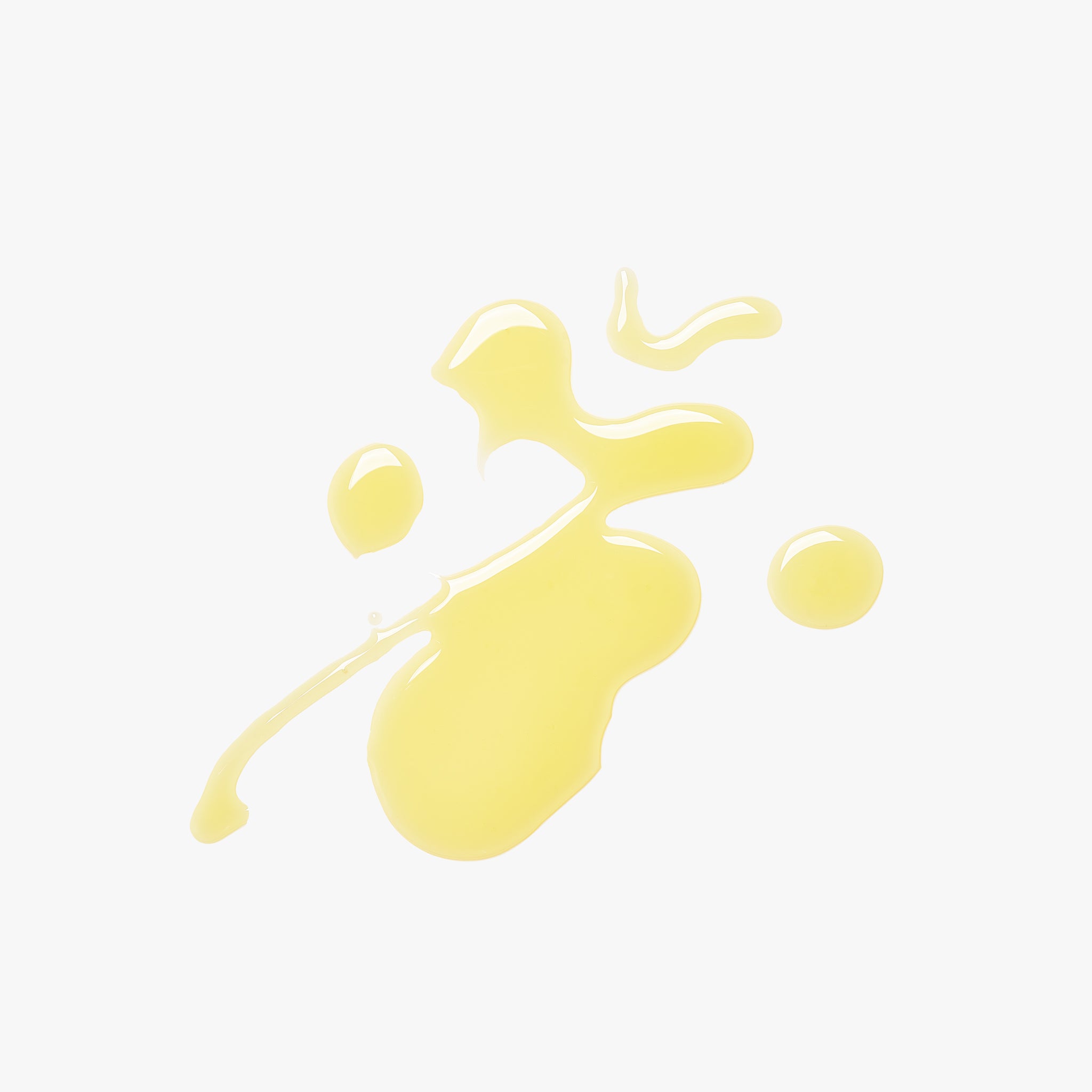
The Skin Soothing Face Oil is a lightweight, non-greasy formula that provides deep nourishment. It’s packed with lipids that help comfort the skin and improve the look of its texture.
- Calophyllum Inophyllum (Tamanu) Oil: This rich, cold-pressed oil is packed with fatty acids that are incredibly nourishing for the skin.
- Squalane: A plant-derived lipid that is very similar to the oils your skin naturally produces. It provides moisture without feeling heavy.
Warm a few drops between your palms and gently press the oil into your face and neck. This pressing motion is gentler than rubbing on sensitive skin.
Step 4: Seal & Protect
The final and most crucial step is to lock everything in with a moisturizer. A good moisturizer creates a protective seal over your skin. This seal prevents all the hydrating ingredients you just applied from evaporating and provides lasting comfort throughout the day.
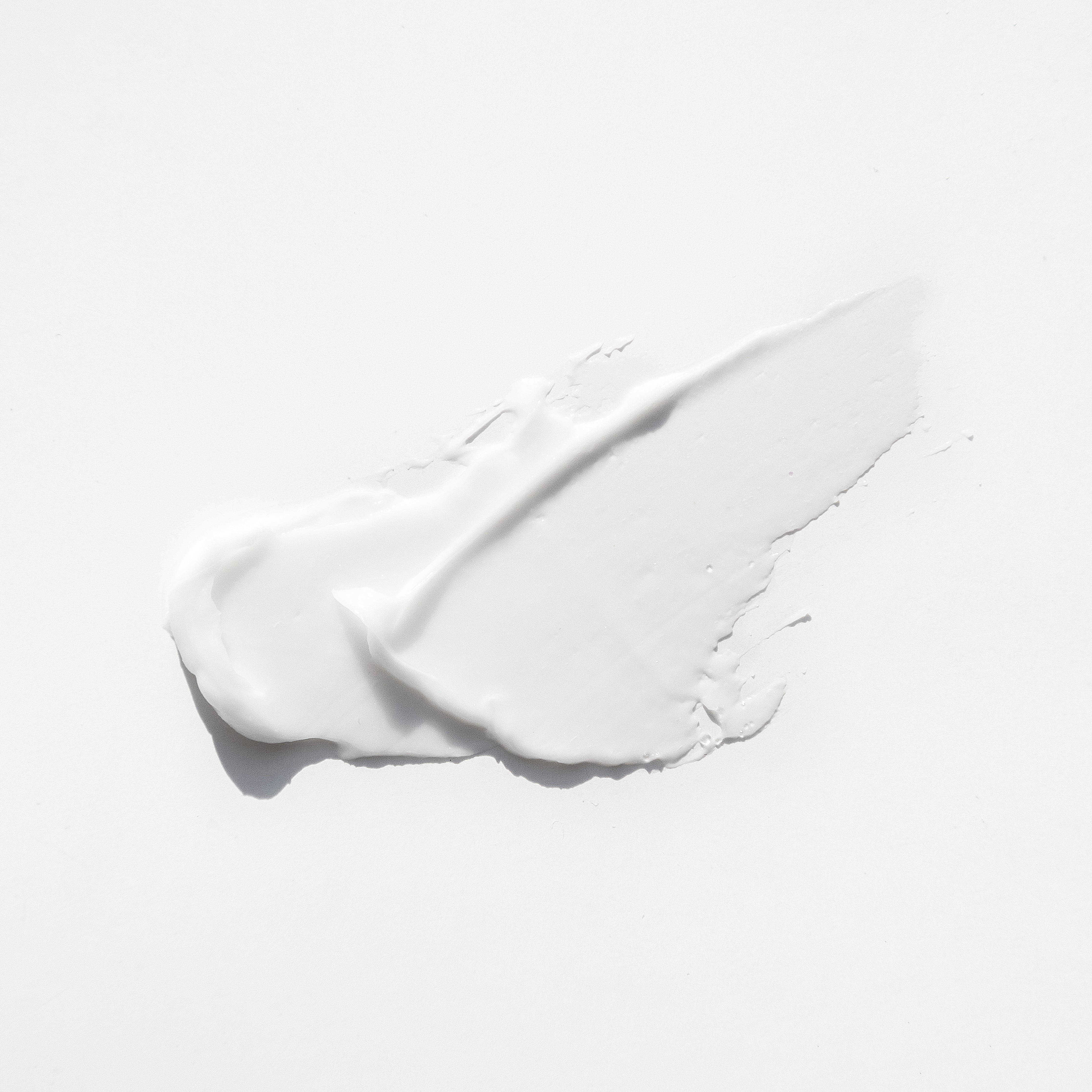
The Biotic Radiance-Boosting Hydrator is a silky, oil-free moisturizer that provides this final layer of support. It seals in moisture and delivers more skin-balancing ferments.
- Saccharide Isomerate: This plant-derived hydrator is known as a "moisture magnet." It binds to water and holds it in the skin for long-lasting hydration.
- Lactobacillus Ferment Lysate: This powerful postbiotic delivers one final dose of microbiome-friendly support to leave skin looking radiant.
Apply a layer of the hydrator as the last step in your routine. In the morning, be sure to follow with a broad-spectrum sunscreen with SPF 30 or higher.
Key Ingredients to Look For in Barrier-Repairing Skincare
When your goal is barrier support, reading the ingredient list can empower you to make the right choices. Look for products that focus on these key categories.
- Barrier Lipids: The "mortar" of your skin includes ceramides, fatty acids, and cholesterol. Ingredients like Squalane, Jojoba Oil, and Tamanu Oil are rich in these components.
- Microbiome Support: A healthy microbiome is key to a healthy barrier. Look for prebiotics (Inulin), probiotics (Lactobacillus Ferment Lysate), and postbiotics (ferments) to keep this ecosystem in balance.
- Hydrators (Humectants): These ingredients pull water into the skin. Look for Glycerin, Hyaluronic Acid, and Saccharide Isomerate.
- Soothing Agents: To calm the look of redness and irritation, look for ingredients like Avena Sativa (Oat), Green Tea Extract, and Allantoin. You can also find powerful ingredients like Niacinamide to help fortify the skin.
What to Avoid When Your Skin Is Compromised
Just as important as what you add to your routine is what you take away. When your skin is sensitive, it’s best to give it a break from potential irritants.
Consider pausing the use of:
- Strong exfoliating acids (like high-concentration glycolic or salicylic acid)
- High-strength retinoids
- Harsh physical scrubs with rough particles
- Cleansers with sulfates (SLS/SLES)
- Products with high levels of alcohol or fragrance
- Washing your face with very hot water
This doesn’t mean these things are bad forever. It’s just a temporary break to give your skin the time and space it needs to feel better. Once your skin feels comfortable and hydrated again, you can re-introduce other products slowly, one at a time.
Always remember to patch test new products, especially when your skin is feeling sensitive. If you have persistent skin concerns, it is always best to consult with a licensed professional, like a dermatologist.
By simplifying your routine and focusing on gentle, nourishing care, you can support your skin barrier and guide it back to a place of strength and radiance.
Ready to start your barrier repair journey? Explore our full range of microbiome-focused skincare products.