








The short answer is yes. You should always apply moisturizer over your serum at night. This simple step is key to getting the most from your skincare.
The guiding principle of skincare layering is to apply products from the thinnest texture to the thickest. This order ensures each product can do its job correctly. The rule is especially important at night, when your skin enters a natural cycle of renewal.
Think of your serum as the targeted treatment and your moisturizer as the protective seal. This combination supports your skin while you sleep, helping you wake up to a complexion that looks refreshed and feels comfortable.
Serum vs. Moisturizer: Understanding Their Distinct Nighttime Roles
While both serums and moisturizers care for your skin, they perform very different jobs. Understanding these roles explains why you need both, especially before bed.
A serum is a concentrated treatment. It is usually a lightweight liquid or gel made of small molecules. This allows serums to deliver potent ingredients that address specific appearance-related concerns, like uneven tone or rough texture. When you choose from a collection of advanced serums and essences, you are selecting the product that will do the most targeted work.
A moisturizer is your skin’s protector. Its texture is typically richer, containing larger molecules that work on the skin’s surface. Its main job is to hydrate and create a supportive barrier. This barrier helps prevent moisture from escaping—a process known as transepidermal water loss (TEWL)—and locks in the serum you just applied.
What Happens If You Don’t Apply Moisturizer After Serum?
Skipping moisturizer after your serum might seem like a way to save time, but it can make your products less effective. It may also leave your skin feeling uncomfortable.
First, the benefits of your serum may be reduced. Serums contain powerful ingredients, but without a moisturizer to seal them in, some may evaporate from your skin’s surface. An occlusive layer from a moisturizer helps hold the serum against your skin so it can be absorbed effectively.
Second, your skin could become dehydrated. Serums deliver active ingredients, but most are not designed to provide the lasting hydration your skin barrier needs overnight. A moisturizer prevents moisture loss while you sleep, which is crucial for maintaining a complexion that looks plump and feels soft.
Finally, you might experience sensitivity. If your serum contains potent exfoliating ingredients like acids, a moisturizer provides a comforting buffer. Without it, your skin may feel tight or appear irritated.
Using a serum without a moisturizer means you miss out on the protective seal needed to lock in benefits and prevent moisture loss overnight.
Your Step-by-Step Nuebiome Night Ritual for Maximum Efficacy
Transform your evening routine into an intentional ritual. Each step builds on the last, preparing your skin to receive the full benefits of your products while supporting its natural nightly renewal process.
Step 1: Cleanse with a Gentle Touch Begin with clean skin. Use a gentle, pH-balanced cleanser to remove makeup, sunscreen, and impurities without stripping your skin of its natural moisture. Pat your skin dry with a soft towel.
Step 2: Prep & Balance with an Essence Apply a ferment essence to damp skin. An essence is a watery lotion that hydrates and balances your complexion. It prepares your skin to better absorb the serum that follows.
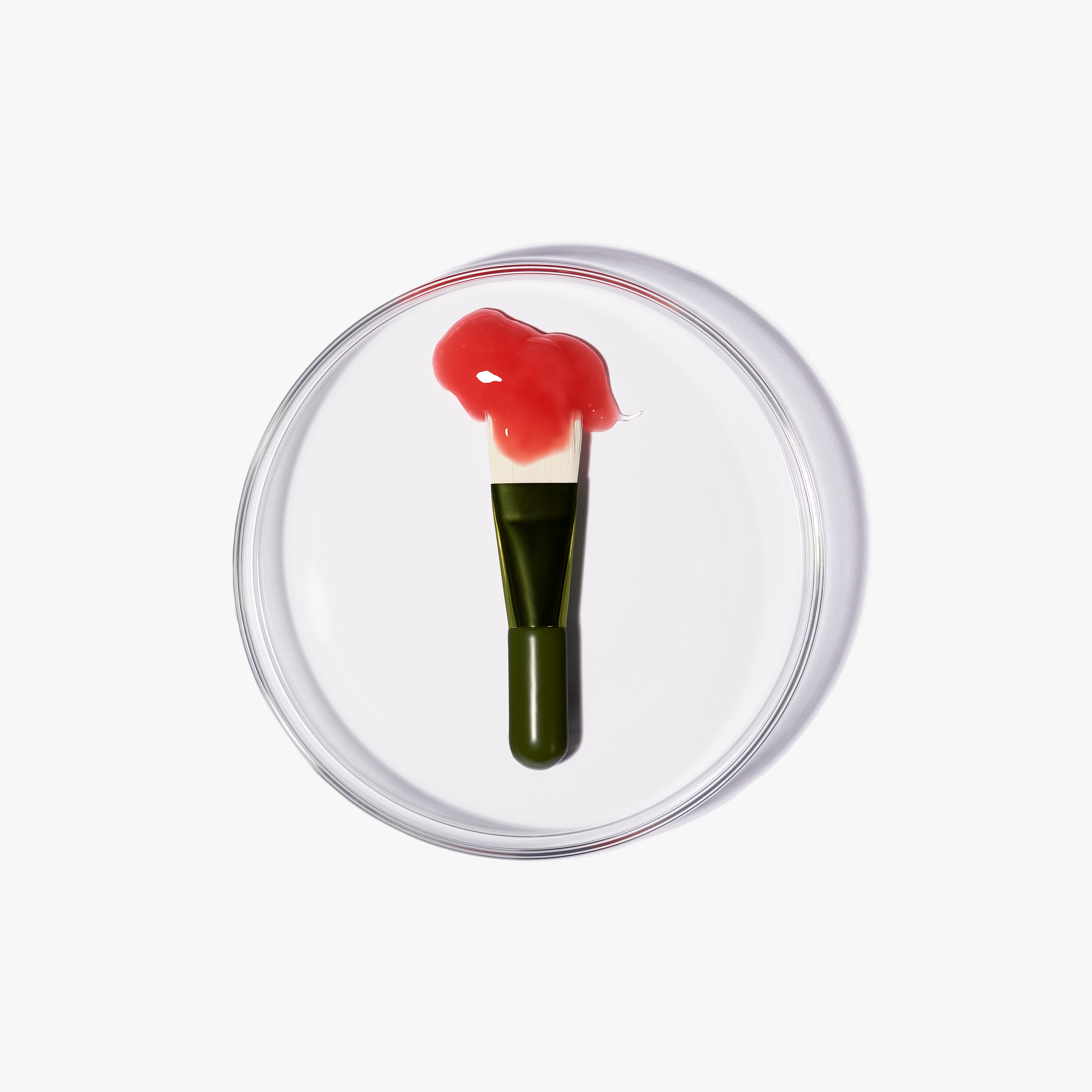
Step 3: Apply Your Targeted Night Serum Now it is time for your treatment step. The Empris-Peony™ Biotic Resurfacing Night Serum is a sophisticated nightly treatment designed to refine and renew your skin’s appearance while you sleep.
This award-winning serum, named "Best Overnight Treatment" by the Cosmopolitan Clean Beauty Awards 2024, features: * Hibiscus Sabdariffa Flower Extract: A source of flower acids that provides gentle exfoliation for a smoother, more radiant-looking complexion. * Paeonia Lactiflora Root Extract: A peony extract that supports a rested and refreshed appearance.
Its advanced formula uses ingredients like Hydroxypropyl Cyclodextrin to enhance the stability and delivery of key ingredients. It also contains a lightweight, natural alternative to silicones called Heptyl Undecylenate for a silky, non-greasy feel. Warm 2–3 drops between your palms and gently press onto your face and neck. Wait about 60 seconds for it to absorb.

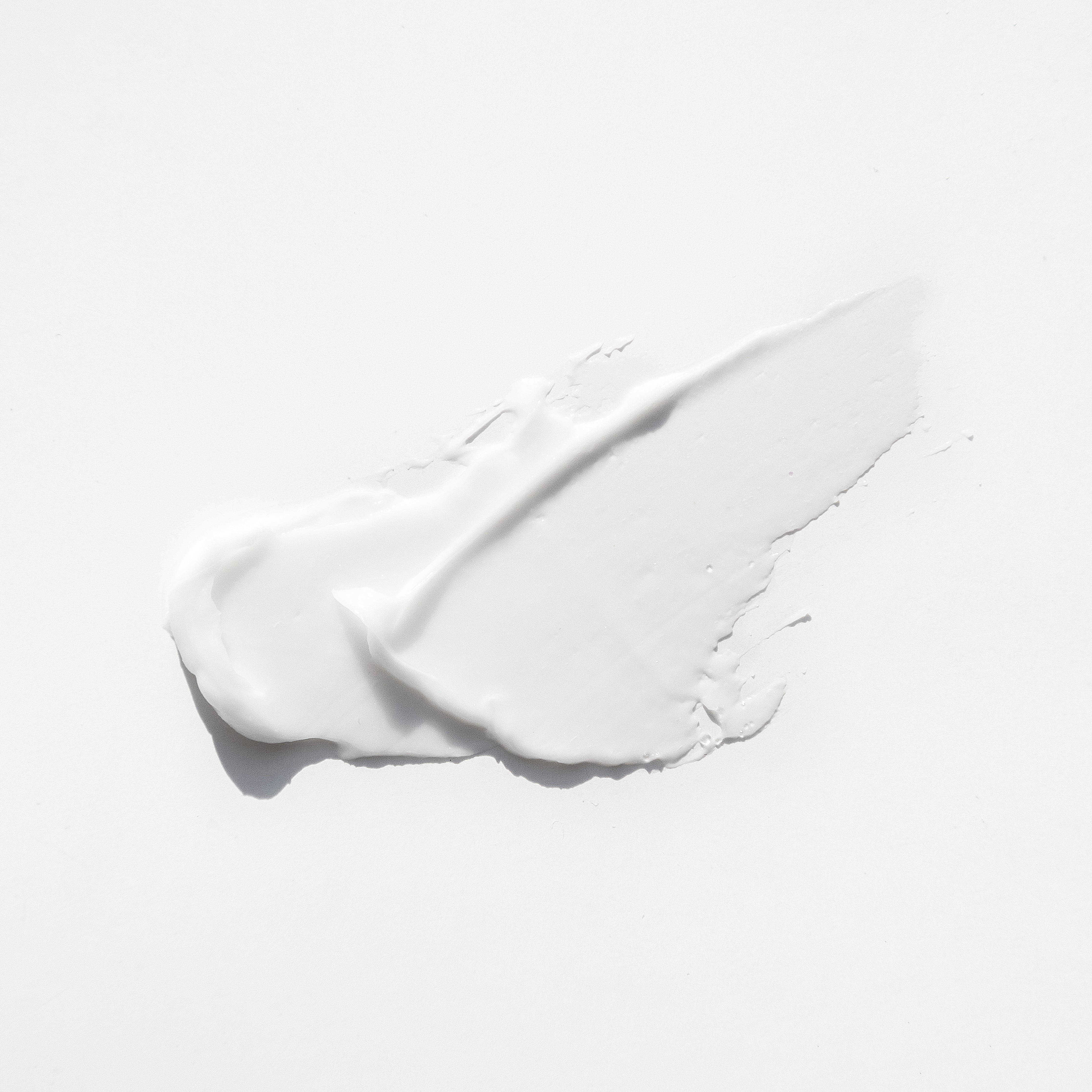
Step 4: Seal & Protect with Moisturizer The final step is to lock everything in. A moisturizer seals in your serum and supports your skin’s moisture barrier. The Biotic Radiance-Boosting Hydrator is a silky, oil-free cream that feels comfortable on the skin.
This formula provides lasting hydration and supports a bright, even-looking complexion with key ingredients: * Lactobacillus Ferment Lysate: A postbiotic bioferment that helps maintain a balanced-looking microbiome. * Saccharide Isomerate: A plant-derived hydrator that delivers moisture to the skin, helping it feel soft and smooth.
Gently massage the moisturizer onto your face and neck using upward strokes. Your skin will feel hydrated and ready for its nightly rest. By layering correctly, you are supporting your skin with a complete system of microbiome-friendly skincare products.

Pro-Tip: Where Does a Face Oil Fit in Your Night Routine?
Face oil is another common question in skincare layering. The answer depends on your skin type and the products you are using.
The general rule is to apply face oil as the very last step in your routine, after your moisturizer. Oils are occlusive, meaning they create a final seal over your skin. This seal locks in all the products you applied before it and prevents water loss.
For those with very dry skin, you can also mix a few drops of oil directly into your moisturizer. This can give your cream an extra boost of nourishment.
If you have oily or combination skin, you may find that a moisturizer provides enough hydration on its own. A face oil might be an optional step you use only when your skin feels particularly dry. Our collection of luxurious facial oils offers options for various skin needs.
The Skin Soothing Face Oil is a great choice for providing comfort and improving skin texture. It contains Calophyllum Inophyllum (Tamanu) Oil to calm the look of stressed skin and Squalane for lightweight, non-greasy moisture.

Answering Your Nighttime Layering Questions
Here are answers to some of the most common questions about building a nighttime routine.
Is it okay to leave serum on my face overnight without moisturizer? It is not ideal. As explained above, you will miss out on key benefits. A moisturizer is necessary to lock in the serum, prevent its ingredients from evaporating, and keep your skin hydrated overnight.
How long should I wait between applying serum and moisturizer? A good rule of thumb is to wait about 60 to 90 seconds. You want the serum to feel absorbed and no longer tacky to the touch. This prevents products from pilling and ensures each layer can perform effectively.
What is the 4-2-4 rule in skincare? The 4-2-4 rule is a specific cleansing method, not a layering technique for treatments. It involves massaging an oil cleanser onto dry skin for four minutes, followed by a cream cleanser for two minutes, and rinsing with water for four minutes. It is a deep-cleansing ritual that is separate from your serum and moisturizer application.
Why is layering so important specifically at night? Layering is always important, but it is especially beneficial at night. During sleep, your skin switches into a natural renewal and regeneration mode. Providing your skin with targeted treatments (serum) and a protective barrier (moisturizer) gives it the support it needs to perform this process optimally. Correct layering helps you wake up looking like you had a full eight hours of rest.
If you have more questions, please visit our comprehensive FAQ page. As with any new product, always patch-test first and consult a licensed professional if you have known sensitivities.