








Your skin has a very important job. It acts as a shield between you and the outside world. When this shield is strong, your skin looks calm, feels comfortable, and has a smooth, hydrated appearance. But when it feels stressed, it can look irritated and feel sensitive.
Finding the right support is key. A great skin barrier repair cream can help your skin look and feel its best again. This guide will show you how to identify a compromised barrier and what to look for in a supportive cream.
What Is a Compromised Skin Barrier (And How to Spot One)
Think of your skin's outermost layer as a strong brick wall. The "bricks" are your skin cells. The "mortar" holding them all together is a natural mixture of fats called lipids. This structure is known as your skin barrier. It works to lock moisture inside your skin, keeping it looking plump and feeling comfortable.
But how can you tell if your skin barrier needs more support? Your skin often sends clear signals.
Look for these common signs:
- Persistent Redness: Your skin looks flushed or blotchy more often than usual.
- Tightness After Cleansing: Your face feels uncomfortably tight right after you wash it.
- Flakiness and Dry Patches: You notice dry, flaky spots, even if your skin is normally oily.
- Increased Sensitivity: Products that never used to bother you suddenly cause a reaction.
- Unusual Breakouts: Your skin experiences more blemishes than you are used to.
These signs can be caused by many things. Using harsh cleansers, over-exfoliating with strong acids, sun exposure, and even stress can affect your skin barrier's ability to do its job.
Beyond the Barrier: The Microbiome's Role in Skin Resilience
There is another, invisible layer at work: the skin microbiome. Think of it as a living shield. This community of trillions of friendly microorganisms lives on your skin's surface. It works in harmony with your physical skin barrier.
A diverse and balanced microbiome is essential for resilient-looking skin. It helps your skin maintain its natural moisture and stay calm. When the microbiome is balanced, it supports the lipids (the "mortar") in your skin barrier, helping it stay strong.
When the microbiome becomes imbalanced, it can disrupt your skin's harmony. This can create a cycle where a compromised physical barrier leads to an unhappy microbiome, and vice versa. Supporting both your physical barrier and your microbiome is the secret to lasting comfort and radiance.
A balanced microbiome works with your skin barrier, creating a powerful team that keeps your skin looking and feeling its best.
The Anatomy of the Best Skin Barrier Repair Cream: Key Ingredients
When looking for a skin barrier repair cream, it helps to know which ingredients can offer the most support. The best formulas combine different types of ingredients that work together to soothe, hydrate, and nurture your skin.
We can group these into four key categories.
Lipids (The Mortar)
These ingredients are fats like oils and butters. They help replenish the natural fats in your skin barrier, strengthening the "mortar" that holds your skin cells together. This helps lock in moisture and gives skin a smooth, supple feel. Look for formulas with plant-based oils and squalane. You can also explore antioxidant-rich botanicals like Acai Fruit Oil to nourish the lipid layer.
Humectants (The Hydrators)
Humectants are like moisture magnets. They pull water from the air and from the deeper layers of your skin, bringing it to the surface. This gives your skin an instant boost of hydration and a visibly plump, dewy look. Common examples include humectants like Glycerin and Hyaluronic Acid.
Microbiome Supporters (The Peacekeepers)
These are the ingredients that help keep your skin's living shield happy. They come in three main forms:
- Prebiotics: Food for the good bacteria on your skin.
- Probiotics: Live microorganisms (less common in skincare).
- Postbiotics: The helpful byproducts created by good bacteria, like ferments and lysates.
These ingredients, including microbiome-activated ingredients like Diglucosyl Gallic Acid, help create a balanced environment where your skin can thrive. Nuebiome focuses on postbiotic ferments, which are gentle yet effective.
Soothe & Calm
When your skin barrier is compromised, it can look red and feel irritated. Soothing ingredients help skin feel comfortable again. Look for soothing botanical actives like Echinacea cell culture that support stressed skin and help it return to a state of calm.
Editor's Pick: Nuebiome's Solution for Barrier Repair
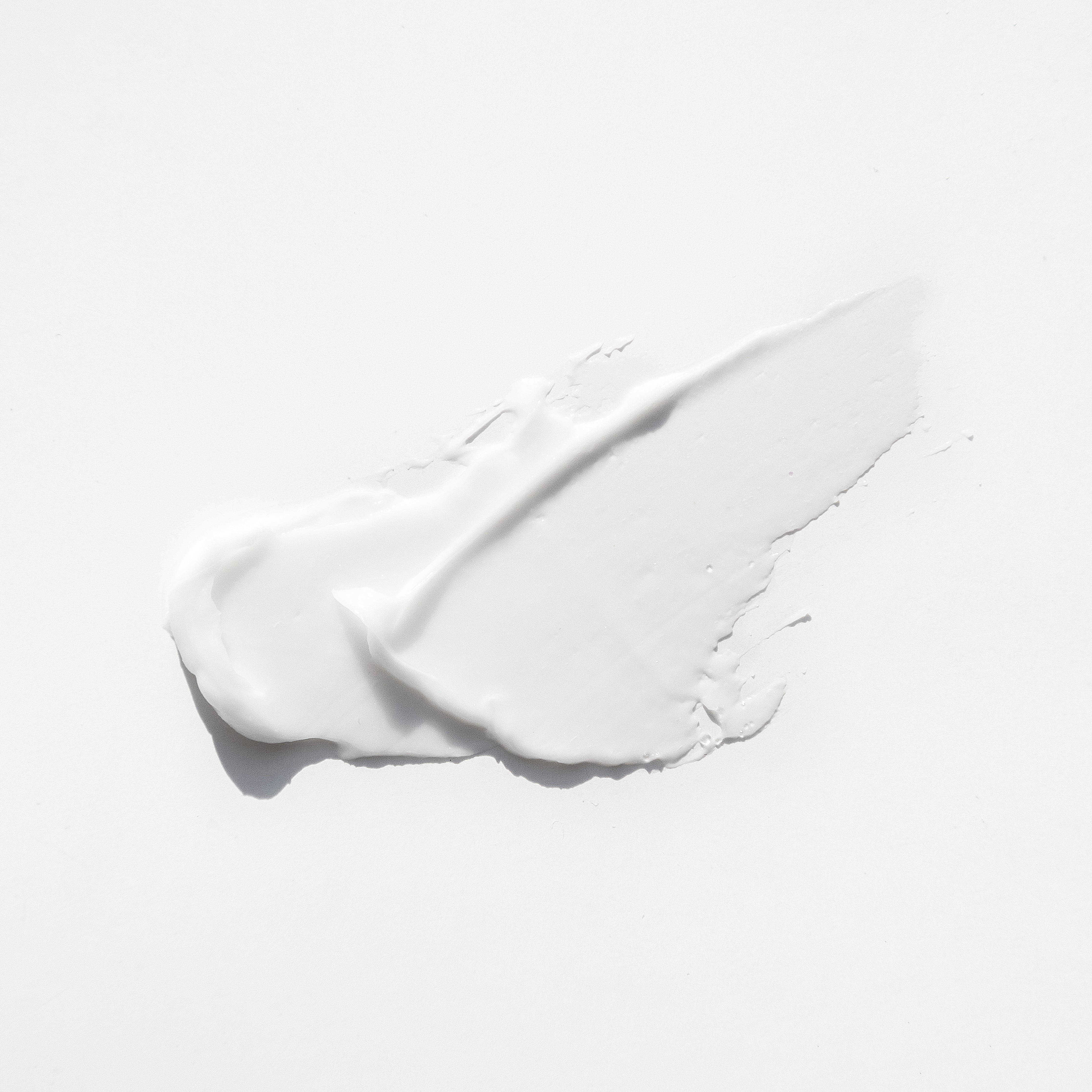
Finding a moisturizer that ticks all these boxes can be a challenge. That's why we formulated the Biotic Radiance-Boosting Hydrator. It's a silky, oil-free moisturizer designed to deliver comfort, hydration, and microbiome support all in one step.
This cream is perfectly suited for skin that needs barrier support. It’s comforting and lightweight, sinking in quickly without a greasy feel. It instantly soothes and hydrates, leaving skin feeling soft and looking radiant.
Let's look at its hero ingredients:
- Lactobacillus Ferment Lysate: This postbiotic is a key microbiome supporter. It helps create a harmonious environment for your skin, promoting a calm and balanced appearance.
- Squalane: A highly stable lipid that mimics your skin's natural oils. It provides moisture and supports the skin barrier without feeling heavy or clogging pores.
- Saccharide Isomerate: This powerful humectant is a plant-derived carbohydrate. It provides deep, lasting hydration that helps skin feel comfortable for hours.

How to Build a Complete Barrier Rescue Ritual
A great cream works best as part of a complete, supportive routine. If your skin is showing signs of a compromised barrier, it’s time to simplify your routine and focus on gentle, nourishing steps.
Here is a simple, effective ritual to help restore your skin barrier.
Step 1: Gentle Cleanse
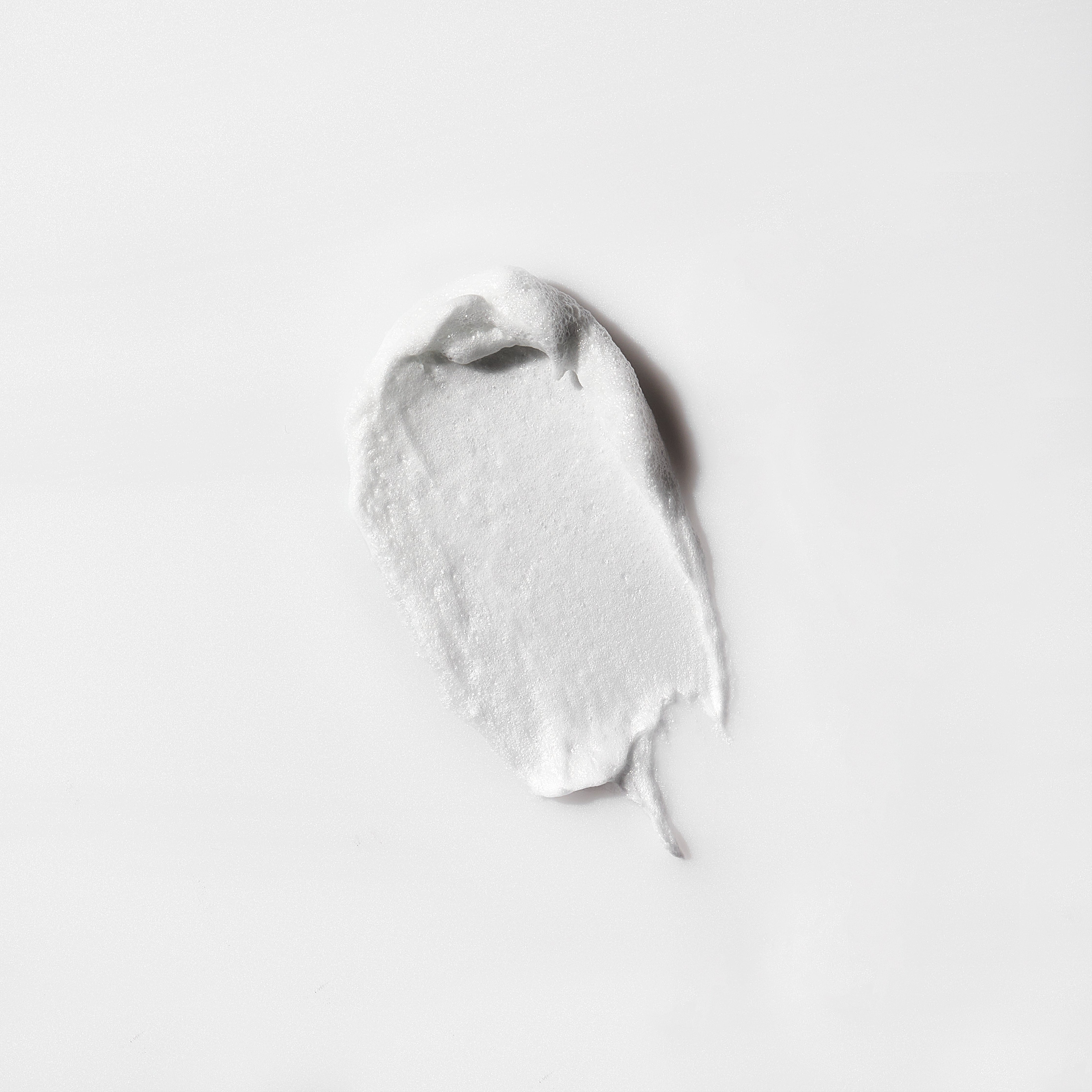
Start with a cleanser that respects your skin. The Biome Balancing Creamy Cleanser is soap-free and pH-balanced. It uses Avena Sativa (Oat) Kernel Flour, a fine-milled oat powder, to gently lift away impurities without stripping your skin. It has also earned a "Gentle on Microbiome" badge, verifying its supportive nature.
Step 2: Hydrating Essence
After cleansing, press a few drops of The Biotic Glow™ Ferment Essence into damp skin. This alcohol-free toner contains postbiotics and humectants to hydrate, visibly balance, and prepare your skin for the next steps.
Step 3: Repair Cream
Apply a pearl-sized amount of the Biotic Radiance-Boosting Hydrator. Gently massage it into your face and neck to lock in hydration and deliver soothing, microbiome-supporting ingredients.
Step 4: Seal and Soothe (PM Routine)
For an extra layer of support at night, finish with a few drops of the Skin Soothing Face Oil. Its main ingredient, Calophyllum Inophyllum (Tamanu) Oil, is a rich botanical oil known for its deeply comforting properties, while Squalane helps seal in moisture.
To make it easy, we curated these products into the Barrier Boost Moisture Rescue Set. It’s a complete ritual designed to provide intense hydration and strengthen the look of your skin’s protective barrier.

What to Avoid During Repair
Just as important as what you do is what you don't do. While your barrier is recovering, press pause on:
- Harsh, foaming cleansers (especially those with sulfates).
- Physical scrubs and abrasive exfoliants.
- High-concentration chemical exfoliants (like AHA/BHA).
- Retinoids and high-strength Vitamin C serums.
- Hot water when cleansing.
Once your skin feels comfortable and calm again, you can slowly reintroduce these products one at a time. To build out your perfect ritual, you can explore our complete collection of microbiome-focused skincare.
Frequently Asked Questions About Skin Barrier Repair
How does the skin barrier become damaged?
The skin barrier can be weakened by many factors. Common causes include using harsh skincare products, over-exfoliating, too much sun exposure without protection, dry or cold weather, and even emotional stress.
Which skin barrier repair ingredients should I look out for?
Look for a combination of lipids (like squalane and plant oils), humectants (like glycerin), microbiome supporters (like ferments and lysates), and soothing botanicals. A formula that combines these elements offers the most comprehensive support.
How long does it take to repair the skin barrier?
It varies for everyone, but with a consistent, gentle routine, most people start to see and feel a difference in 2 to 4 weeks. The key is patience and consistency. True restoration takes time, so stick with your supportive ritual.
How often should I use barrier repair products?
Barrier-supporting products, like a gentle cleanser and a repair cream, should be used daily, both in the morning and at night. Consistency is crucial for helping your skin get back to a comfortable state.
Can I use active ingredients like retinoids while repairing my barrier?
It is best to pause strong active ingredients like retinoids and high-concentration acids while you focus on repair. Using them on a compromised barrier can lead to more irritation. Once your skin feels strong and comfortable again, you can reintroduce them slowly, perhaps starting on alternate nights. Always patch test first.
If you have more questions about our formulas, please see our full FAQ page.
Related Reading
- Explore antioxidant-rich botanicals like Acai Fruit Oil to nourish the lipid layer for more context.