







The ritual of using rice water for skin and hair care, known as Yu-Su-Ru in Japan, is a practice rooted in centuries of Asian beauty tradition. Recently, this ancient secret has surged in popularity across social media, championed as a simple DIY path to achieving the coveted "glass skin" effect—a complexion that appears exceptionally smooth, luminous, and clear. The modern method often involves soaking rice, collecting the starchy water, and allowing it to sit at room temperature to ferment.
The appeal is undeniable: a natural, accessible, and seemingly cost-effective solution for radiant skin. However, as skincare professionals, we are trained to look beyond the trend and examine the science. The core question is not whether rice water has benefits, but whether the uncontrolled DIY fermentation process can deliver them safely and effectively. This guide will explore a safer way to harness the power of rice for your skin and explain the critical differences between a homemade mixture and a professionally formulated bio-ferment. We will also touch on a similar but safer ritual for making rice water for hair growth in other related applications.
The DIY Method: A Simple (and Safer) Rice Water Rinse
To address the 'how-to' interest directly, we can begin with a method that captures some of the benefits of rice without the significant risks of uncontrolled fermentation. This simple rice water rinse is not a fermented, leave-on product. It is intended for immediate use and must be made fresh each time.
The surface-level benefits of this rinse come from the starches, vitamins, and minerals present in the rice itself, which can offer a temporary soothing sensation and a brighter appearance.
Here is a basic protocol for a single-use rinse:
- Wash the Rice: Start with about half a cup of high-quality rice. Rinse it thoroughly with clean water to remove any surface impurities or dust.
- Soak Briefly: Place the washed rice in a clean bowl and cover it with one to two cups of purified or distilled water. Let it soak for 30-60 minutes, gently swirling it occasionally until the water becomes milky.
- Strain and Use Immediately: Strain the milky water into a clean container. Do not let it sit out. Immediately use it as a final rinsing step after cleansing your face.
- Discard Leftovers: This preparation has no preservatives and is a rich medium for microbial growth. Any leftover water must be discarded immediately to prevent spoilage.
This method avoids the fermentation process entirely, providing a safer, albeit milder, way to incorporate rice water into a skincare ritual.
Fermentation vs. Spoilage: The Unseen Risks of Leaving It Out
The critical question many ask is, "Is DIY fermented rice water safe for skin?" From a professional and microbiological standpoint, the answer for uncontrolled, homemade methods is no. The process promoted online—leaving a nutrient-rich, starchy liquid at room temperature for 24-48 hours—is not true fermentation; it is spoilage.
Controlled cosmetic fermentation, much like the traditional brewing of Japanese sake, is a precise science. It requires:
- A specific microbial starter culture (e.g., Saccharomyces cerevisiae for sake).
- A sterile, controlled environment to prevent contamination.
- Specific substrates (like high-quality Oryza sativa rice) and controlled temperatures.
DIY fermented rice water has none of these controls. Instead of cultivating beneficial microorganisms, you are creating an ideal breeding ground for a random cocktail of opportunistic bacteria (Pseudomonas, Staphylococcus), yeasts, and fungi (mold) from the air and surrounding environment.
The risks of applying this spoiled concoction to the skin include:
- Microbial Contamination: Introducing unknown and potentially pathogenic microbes to the skin can disrupt its delicate microbiome, leading to irritation, breakouts, or even infection.
- Unpredictable pH: As uncontrolled microbial activity occurs, the pH of the water can fluctuate wildly, becoming highly acidic or alkaline. An improper pH can severely compromise the skin's acid mantle, leading to a damaged moisture barrier, sensitivity, and dryness.
- Inconsistent Composition: There is no way to guarantee that the desired beneficial compounds are being produced. The resulting liquid is an unknown mixture, and any noticeable foul odor is a clear indicator of putrefaction, not beneficial fermentation.
DIY vs. Professional Bio-Ferments: A Scientific Comparison
To understand the difference in efficacy and safety, it is essential to compare a homemade concoction with a professionally developed cosmetic ingredient like a rice ferment filtrate. Bio-fermentation in a laboratory setting transforms raw ingredients into potent, skin-compatible postbiotics. These non-living ferments and their metabolites—including amino acids, organic acids, and antioxidants—are what deliver consistent and reliable results. This process can also create beneficial polysaccharides that improve skin hydration, a function you can explore further by understanding the function of polysaccharides like Dextran.
Here is a direct comparison:
| Feature | DIY Fermented Rice Water | Professional Rice Bio-Ferment |
|---|---|---|
| Microbiome | Uncontrolled growth of environmental bacteria and mold (spoilage). | Uses specific, purified microbial strains in a sterile environment. |
| Active Compounds | Inconsistent and unreliable. High risk of harmful byproducts. | Standardized and concentrated postbiotics (amino acids, organic acids). |
| Potency | Very low and variable. | High, consistent, and optimized for maximum bioavailability. |
| pH Level | Unpredictable and potentially damaging to the skin barrier. | Formulated to a precise, skin-optimal pH (typically 4.0-5.5). |
| Safety & Stability | High risk of contamination. Must be used immediately or spoils. | Sterile production, stability-tested, and includes a preservative system for safety. |
Professional fermentation breaks down large molecules into smaller, more easily absorbed forms and creates entirely new beneficial compounds that are not present in the original rice water. The result is a refined, potent, and safe ingredient that delivers predictable benefits to the skin.
The Nuebiome Difference: Achieving Luminous Skin with Bio-Ferment Technology
At Nuebiome, our philosophy is centered on leveraging advanced bio-fermentation to create highly effective, safe, and microbiome-friendly skincare. Instead of relying on unstable DIY methods, we harness controlled fermentation to unlock the full potential of natural ingredients, delivering concentrated actives that support a healthy-looking, radiant complexion. Our entire microbiome-friendly skincare collection is built on this principle.
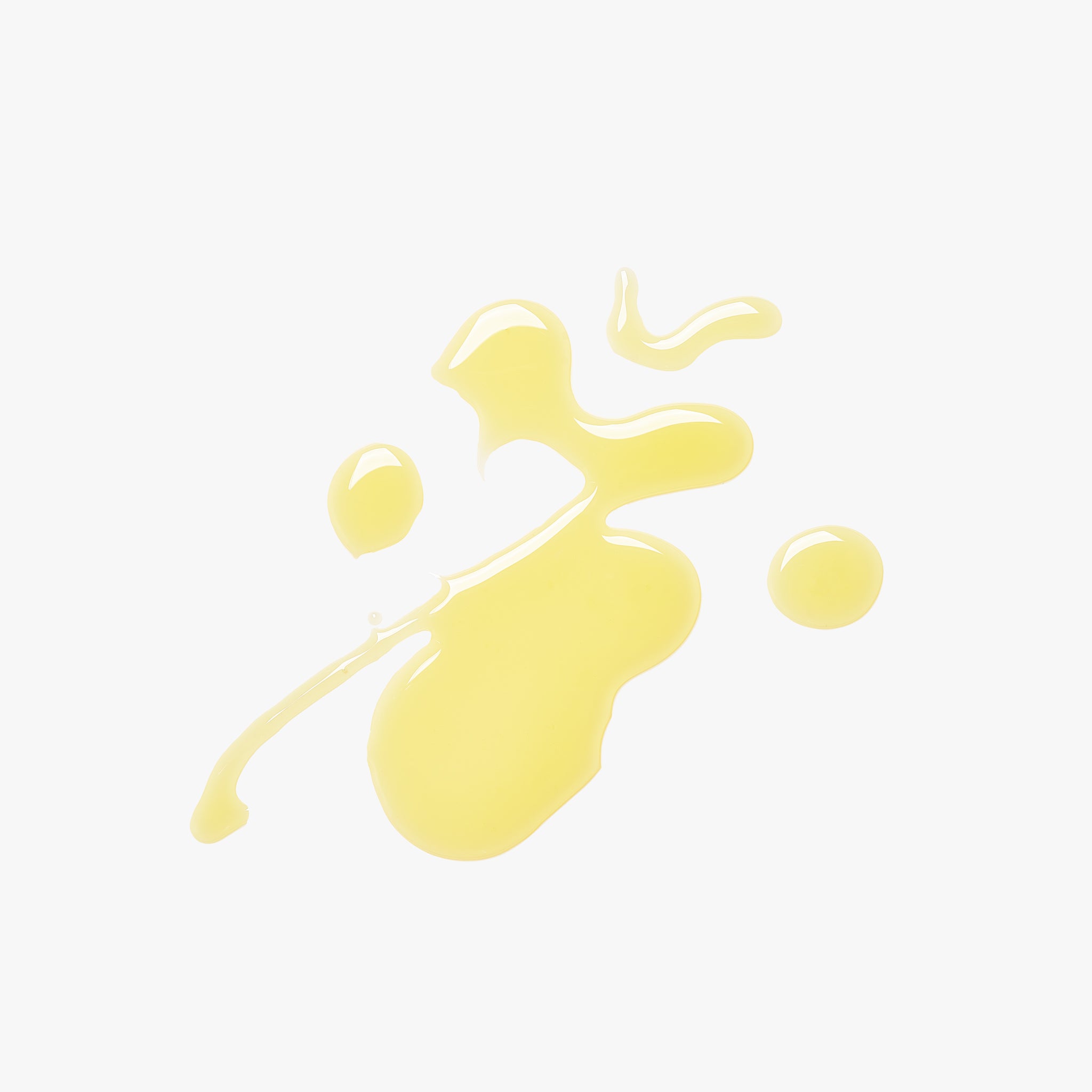
As the ideal professional alternative to homemade rice water, we formulated The Biotic Glow™ Ferment Essence. This lightweight, alcohol-free liquid is designed to be the first step in your treatment routine. It features a sophisticated blend of postbiotics, including Lactobacillus Ferment Lysate and Saccharomyces Lysate, to balance and hydrate the skin. It is further enhanced with a low concentration of Glycolic Acid for gentle surface exfoliation, Inulin for prebiotic support, and Witch Hazel Water to help refine the appearance of pores. This silky, water-thin essence preps the skin to better receive the products that follow, visibly improving radiance and texture over time.

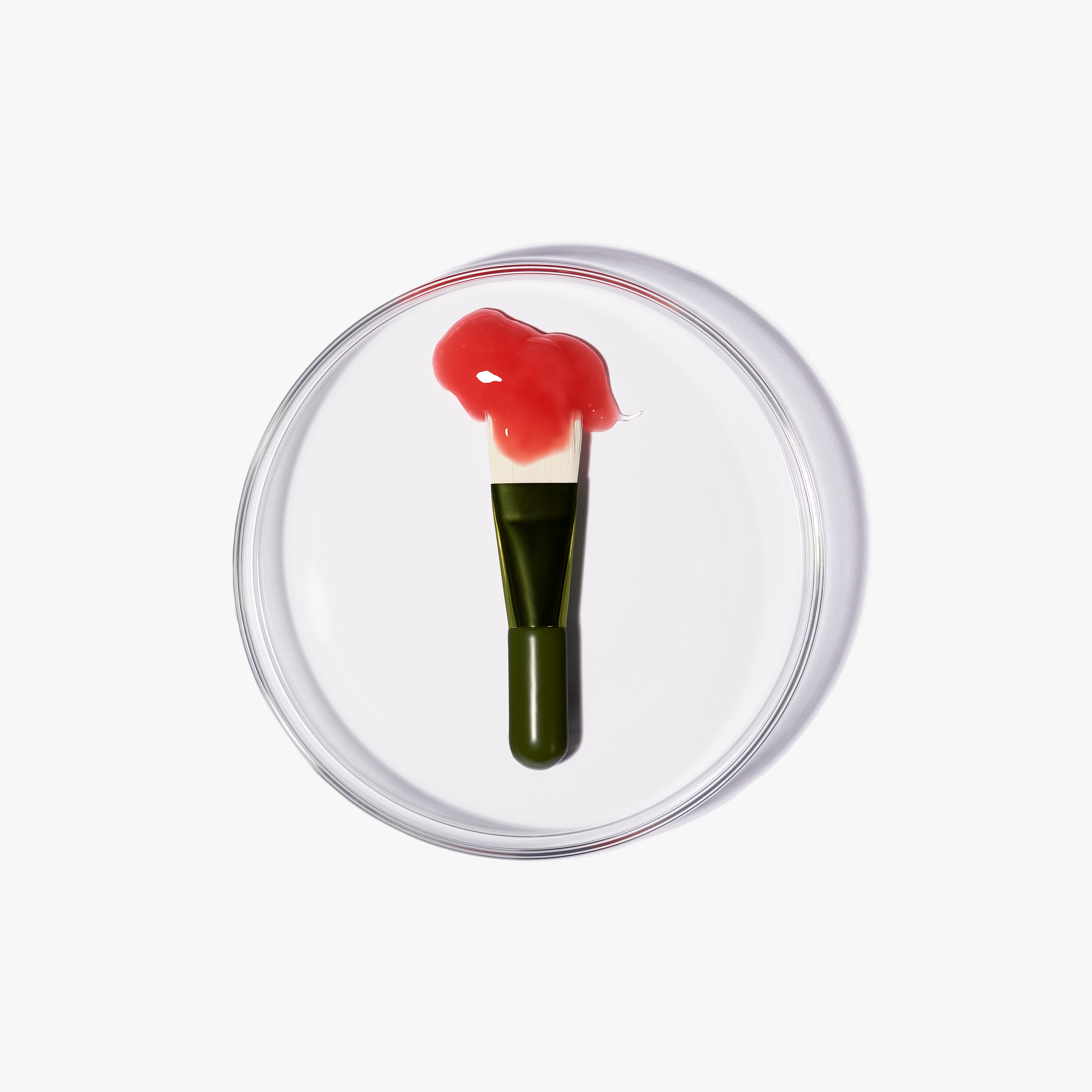
For a more intensive treatment that delivers clarifying and brightening benefits, the (Glyco-Biotic)™ Ultra-Synbiotic Face Mask offers a potent, controlled exfoliating experience. This rinse-off gel mask is a stark contrast to a messy, unpredictable DIY paste. It combines Glycolic Acid and Niacinamide with a powerhouse of ferments like Lactobacillus Ferment Lysate Filtrate and Lactobacillus/Punica Granatum Fruit Ferment Extract. This formula is expertly designed to smooth skin texture, brighten the complexion, and support a balanced skin ecosystem. Its "Gentle on Microbiome" certification provides professional assurance of its skin-compatible design. Together, these formulations from our collection of powerful face essences and serums offer a safe and effective path to achieving the luminous "glass skin" look.

How to Incorporate Fermented Skincare into Your Routine
Integrating a professionally formulated ferment essence into a daily regimen is a simple and effective way to elevate skin health and appearance. Consistency is crucial for achieving visible results, such as a more even-toned complexion and smoother-feeling skin.
Here is a sample protocol for clients:
- Step 1: Cleanse. Begin with a clean canvas. Use a pH-balanced cleanser to remove impurities without stripping the skin. Formulas that gently cleanse with mild, plant-derived surfactants like Coco-Glucoside are ideal for maintaining barrier integrity.
- Step 2: Apply Essence. Immediately after cleansing, while the skin is still slightly damp, dispense a few drops of The Biotic Glow™ Ferment Essence into your palms. Gently press the essence into the face and neck. Applying it to damp skin aids absorption.
- Step 3: Layer Serums and Moisturizer. Follow with any targeted serums and finish with a moisturizer appropriate for the skin type to seal in hydration and support the moisture barrier.
For a weekly boost, the (Glyco-Biotic)™ Ultra-Synbiotic Face Mask can be used 1-2 times per week on clean, dry skin. Apply a thin layer, leave on for the recommended time, and rinse thoroughly.
Pro Notes: Ferment essences are water-thin hydrators and should always be applied after cleansing but before thicker serums or oils. Their primary role is to hydrate, balance, and prep the skin, enhancing the efficacy of subsequent products. Because products like The Biotic Glow™ Ferment Essence contain alpha-hydroxy acids (Glycolic Acid), advise clients to start low and slow—using it on alternate nights at first—and to always patch test before full use. Caution against over-exfoliation by avoiding the use of other potent acid treatments on the same night as the Glyco-Biotic mask.
By choosing professionally formulated bio-ferments, you and your clients can enjoy the profound benefits of this ancient beauty practice with the safety, potency, and elegance of modern science. For more answers to common questions, explore our frequently asked questions page.