







The Complex Connection: Does Dairy Really Cause Acne?
You have probably heard the debate. Does that morning latte or evening bowl of ice cream lead to breakouts? The connection between dairy and skin is a hot topic, and the answer is not the same for everyone.
Some scientific theories suggest that hormones naturally found in milk could play a role. These hormones may encourage the skin to produce more oil, or sebum. For some people, this excess oil can lead to clogged pores and blemishes. But this is not a universal rule.
Your body is unique. How your skin reacts depends on your genetics, lifestyle, and overall diet. This guide is here to help you discover how your own skin responds to dairy, giving you the power to make informed choices.
Your Step-by-Step Guide to a Dairy Elimination Test
If you suspect dairy might be a trigger for your skin, a temporary elimination test can provide clarity. This process involves removing dairy from your diet for a set period and observing how your skin changes.
We recommend a 3- to 4-week elimination period. This gives your skin enough time to respond to the dietary change. Before you start, remember to consult with a doctor or registered dietitian, especially if you have underlying health conditions.
Here is what to avoid during the test:
- Obvious Dairy: Milk, cheese, yogurt, butter, cream, and ice cream.
- Hidden Dairy: Check labels for ingredients like casein, whey, lactose, and milk solids. These often appear in protein powders, salad dressings, baked goods, and even some soups.
To track your progress, keep a simple journal. Take a photo of your skin in the same natural light each morning. Jot down notes about any changes you see, how you feel, and what you ate. This record will be your most valuable tool.
How to Reintroduce Dairy and Analyze Your Skin's Response
After three or four weeks, you can begin the reintroduction phase. The key is to do this slowly and systematically so you can pinpoint exactly what might be affecting your skin.
- Choose One Dairy Item: Start with a single type of dairy, like a serving of plain yogurt.
- Eat and Wait: Consume the item and then wait 2 to 3 days. Do not introduce any other new dairy products during this waiting period.
- Observe Your Skin: Use your journal and photos to track your skin’s reaction. Did any new blemishes appear? Did your skin’s texture change? Did it feel more congested?
- Repeat or Rest: If your skin shows no reaction, you can try reintroducing a different dairy item, like a glass of milk. If you did have a reaction, you may want to wait until your skin calms down before testing another food.
So, does cutting out dairy get rid of acne? For some people, the answer is a clear yes. They notice their skin improves during elimination and worsens when they reintroduce dairy. For others, there might be no change at all. This experiment is about finding your personal truth.
Support Your Skin: The Ideal Skincare Routine During Your Test
Making a significant dietary change can be a journey for your body. During this test, you want to give your skin the most stable and supportive environment possible. This is not the time to introduce aggressive new products or harsh treatments.
Using stripping cleansers or strong exfoliants can create irritation that might be mistaken for a reaction to dairy. The goal is to calm your skin and support its moisture barrier, creating a clear baseline to judge the effects of your diet.
Focus on a simple, gentle routine centered on three core principles:
- Gentle Cleansing: Wash away impurities without stripping the skin’s natural oils.
- Deep Hydration: Keep the skin plump and comfortable with lightweight layers of moisture.
- Soothing Comfort: Use formulas that help calm the skin and reduce the appearance of redness.
This approach helps maintain skin equilibrium. You can support your skin with ingredients like postbiotics for a calm, radiant complexion, which work to create a balanced environment.
A consistent, gentle skincare routine provides the stable canvas you need to accurately observe how your diet affects your skin.
The Nuebiome Ritual for Barrier Repair and Clarity
To support your skin through this experiment, we designed a complete ritual to calm, hydrate, and maintain balance. The Barrier Boost Moisture Rescue Set provides everything you need to keep your skin feeling comfortable and looking clear.

This curated set works in harmony to support your skin’s microbiome and moisture barrier.
Start with a gentle cleanse. The Biome Balancing Creamy Cleanser is a soap-free formula that lifts away makeup and impurities. It uses Avena Sativa (Oat) Kernel Flour, a fine-milled oat powder, to soothe the skin, while postbiotic Lactobacillus Ferment Lysate helps maintain a balanced skin environment.
Next, balance and hydrate. The Biotic Glow™ Ferment Essence is a refreshing, alcohol-free liquid that preps your skin for the next steps. It contains a gentle amount of Glycolic Acid to refine the look of pores and our signature Lactobacillus Ferment Lysate to support radiance.
Follow with deep moisture. For your daytime routine, the Biotic Radiance-Boosting Hydrator is a silky, oil-free moisturizer. It pairs hydrating Squalane with 3-O-Ethyl Ascorbic Acid, a stable form of Vitamin C, to brighten the skin’s appearance. For your nighttime routine or when you need extra comfort, the Skin Soothing Face Oil provides a cushion of calm. It features Calophyllum Inophyllum (Tamanu) Oil and Squalane to soothe skin and lock in moisture without feeling heavy.
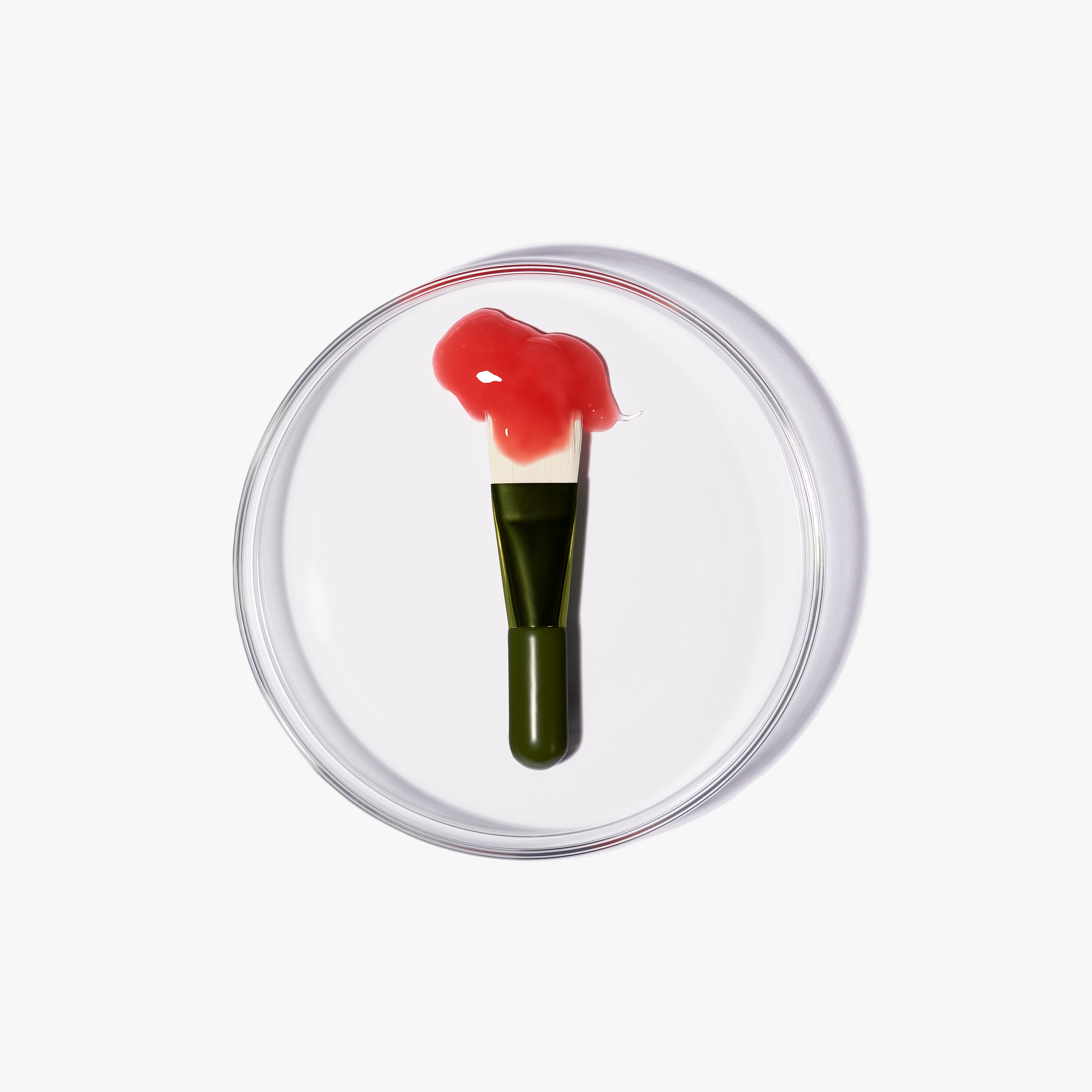
If you notice blemishes during your test, you can add a targeted treatment. The (Glyco-Biotic)™ Ultra-Synbiotic Face Mask is a clarifying gel mask you can use one to two times per week.

It uses gentle exfoliation with ingredients like Glycolic Acid to smooth skin texture and improve the look of dark spots. It also contains Niacinamide, which helps to visibly refine pores and brighten the complexion without compromising your skin’s barrier. As with any new product, we always recommend you patch test first.
What If It’s Not Dairy? Exploring Other Common Acne Culprits
If you complete your dairy test and find it makes no difference to your skin, do not be discouraged. You have simply ruled out one possibility, which is valuable information. Skin clarity is a multifaceted journey, and many factors can contribute to breakouts.
Other common culprits can include:
- High-Glycemic Foods: Foods that quickly raise blood sugar, like white bread, pastries, and sugary drinks, are linked to breakouts for some people.
- Excess Sugar: A diet high in sugar can be a potential trigger. Learning about the best foods for glowing skin can offer healthy alternatives.
- Stress: High levels of the stress hormone cortisol can lead to increased oil production.
- Hormonal Fluctuations: Natural monthly cycles can also influence your skin's behavior.
Your skin is a reflection of your total well-being. By listening to its signals and responding with gentle care, you can navigate your own path to radiant, comfortable skin. Explore our complete range of microbiome-friendly skincare to build a supportive routine that works for you, no matter where you are on your journey.